

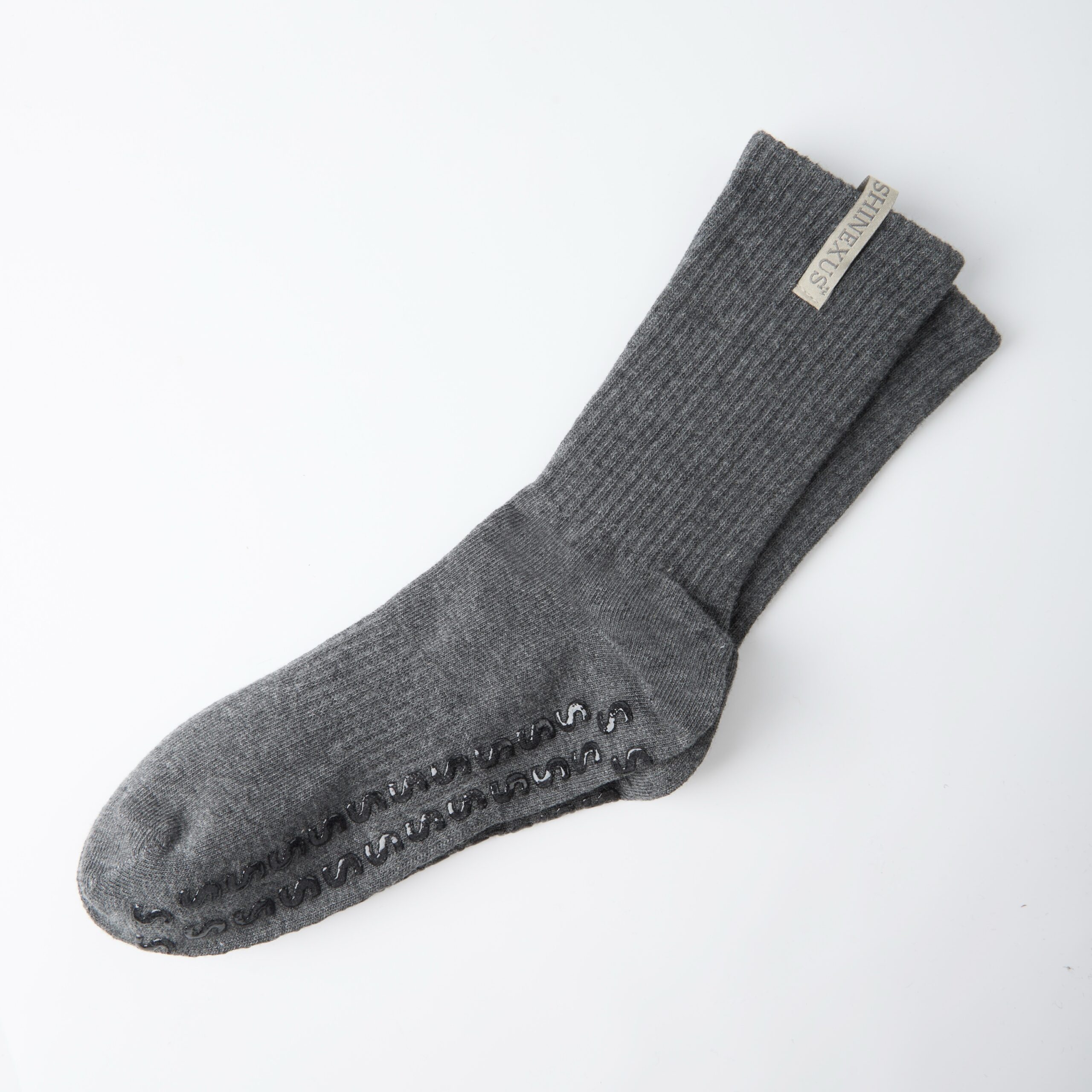
Grip socks are a small investment that rewards simple care. The silicone dots on the sole deliver the traction you rely on, but heat, bleach and rough washing can wear them out early. The good news is that a handful of habits will keep your pair soft, fresh and grippy for months. This routine covers washing, drying and storage without complicated steps.
Why the grip wears out
Grip comes from a silicone or latex pattern bonded to the sole. High heat breaks down that bond, bleach discolours and degrades the material, and tumble drying flattens the dots. Aggressive spinning can also pull the fabric out of shape. The enemies are heat and harsh chemicals rather than washing itself; a cool, gentle clean is protective.
For more on longevity, read how long Pilates grip socks last and the signs that it is time for a replacement.
Step-by-step wash routine
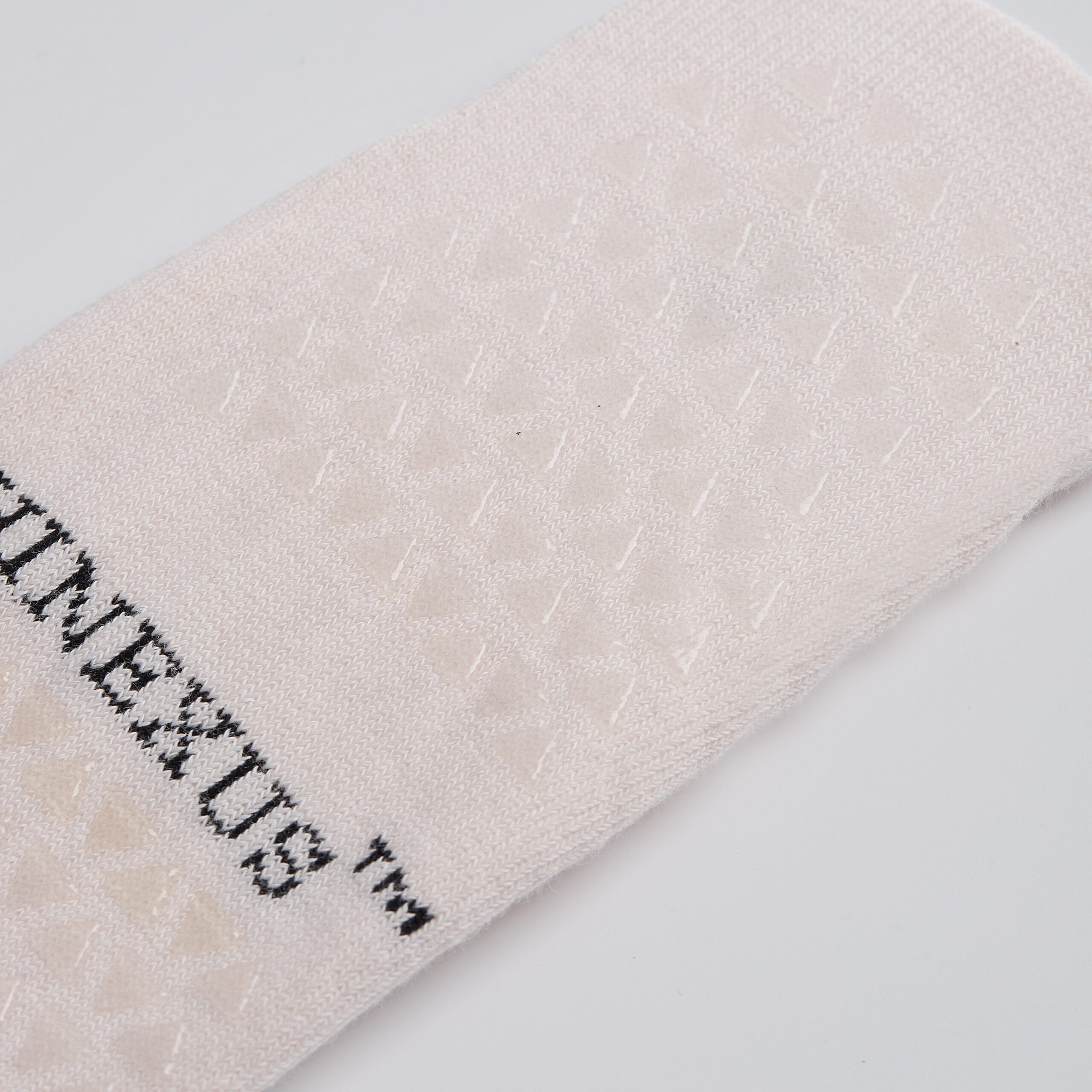
Turn the socks inside out so the grip face is protected. Place them in a laundry bag if the machine is busy. Use a cold or cool cycle with a mild, non-biological detergent. Avoid fabric softener, which can coat the silicone and reduce traction. Wash similar colours together to keep neutrals clean. Do not overload the machine; the socks need room to move gently.
If you prefer hand washing, soak briefly in cool water with a little mild detergent, press out dirt and rinse well. Never wring aggressively; press water out instead. The full guidance is on the SHINEXUS care guide, and our existing post on washing Pilates grip socks covers the basics.
Drying the right way
Air drying is best. Lay the socks flat or hang them in a cool, shaded spot away from direct radiators and sunlight. High heat is the single biggest threat to the grip. If you must use a dryer, choose the lowest heat and shortest cycle, but air drying will always extend the life of the dots. Ensure the socks are fully dry before storing to avoid mustiness.
What to avoid
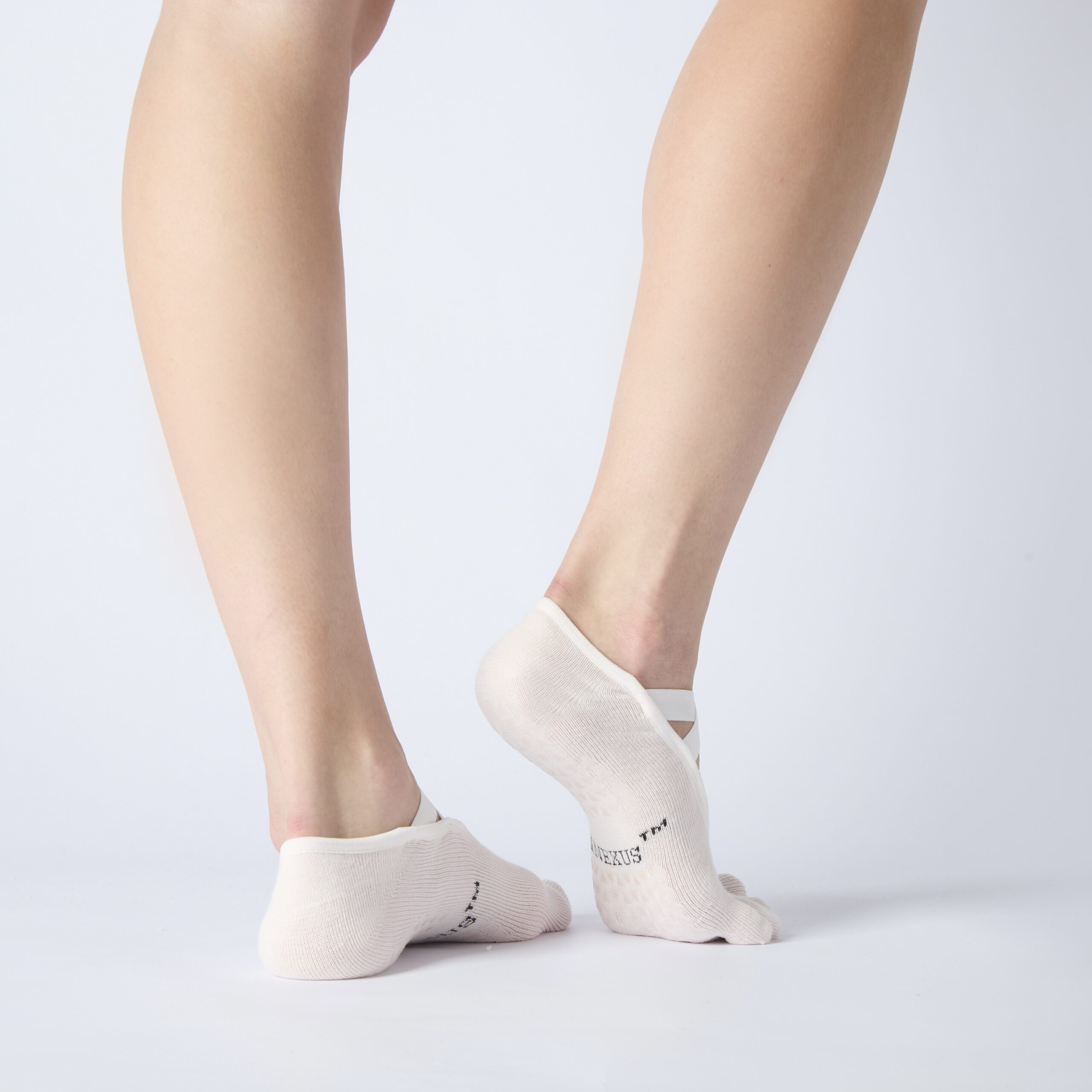
Skip bleach, stain removers and optical brighteners. Avoid hot washes above 40 degrees and skip the tumble dryer. Do not iron the sole. Keep socks away from abrasive surfaces that can pill the knit. If you rotate several pairs, each pair gets less wear between washes, which extends the whole collection.
How often to wash
Wash after each wearing in a studio environment, especially if your feet sweat. At home, you can stretch to a couple of sessions if the socks stay fresh. Air them between uses rather than sealing them in a gym bag. Good hygiene is part of studio etiquette; our reformer etiquette guide explains why clean kit matters.
Quick care table
| Step | Recommended | Avoid |
|---|---|---|
| Wash temperature | Cool / cold, 30-40°C | Hot washes above 40°C |
| Detergent | Mild, non-bio | Bleach, softener, stain remover |
| Orientation | Inside out, laundry bag | Loose with abrasive items |
| Drying | Air dry flat, cool shade | Tumble dryer, radiators, direct sun |
| Frequency | After each studio use | Repeated sweaty wears unwashed |
For product questions, visit the FAQs. To refresh your collection, shop SHINEXUS grip socks and use the size guide to get the fit right.
How washing affects grip performance over time
Even a careful wash cycle gradually wears the silicone, but the rate depends on temperature and detergent. A pair washed cold and air-dried retains its dots far longer than one tossed into a hot tumble dryer. Fabric softener is the quiet enemy: it leaves a waxy film on the silicone that reduces traction even when the dots look intact. If your once-grippy socks feel slippery after a few months, check whether softener crept in, and rewash without it. The care guide lists the full routine.
Building a sustainable sock routine
Sustainable care is simple: buy fewer, better pairs, wash them gently, and replace only when they genuinely wear out. Rotating three pairs means each pair is washed less often and dries fully between uses. Air drying saves energy and protects the grip. When a pair finally retires, check whether the fabric can be repurposed as a cleaning cloth before disposal. Small habits add up, and they keep your kit looking considered. For lifespan expectations, read how long Pilates grip socks last.
Laundry mistakes that quietly ruin grip socks
The most common laundry mistake is grouping grip socks with heavy towels and denim. Rough fabrics pill the knit and abrade the sole. Wash grip socks separately or with similar lightweight items in a laundry bag. Another mistake is overloading the machine, which prevents proper rinsing and leaves detergent residue that dulls the silicone. A third is leaving damp socks in a pile; mould and odour can set in quickly. Always air dry fully before storing.
If you share a household laundry, mark your grip socks so they do not get swept into a hot wash by accident. A small clip or wash bag keeps them identifiable. These habits take little effort but measurably extend the life of the pair. Compare expectations in our guide to how long grip socks last, and review the FAQs for product questions.
Keeping socks fresh between washes
If you practise more than once between washes, air socks fully after each use. Do not seal them in a bag while damp. A small fan or open drawer helps them dry before the next class. Rotating pairs means each gets time off the foot. Avoid scented products; mild detergent is enough. These habits keep the pair smelling clean and the grip performing. See the care guide and the lifespan guide on how long grip socks last.
A quick weekly wash routine
Keep a small wash bag by the door: drop used grip socks in immediately after class, run them cold at the end of the week, then air dry flat. This single habit keeps socks fresh and the grip intact. Do not wait until a pair looks dirty; sweat builds up invisibly. With a regular rhythm, your socks stay comfortable and grippy class after class. Review the care guide any time.
Frequently asked questions
Can I put grip socks in the tumble dryer?
It is best not to. Heat damages the silicone grip. Air drying flat keeps the dots intact and the sock shape true.
Why did my grip socks become slippery?
Fabric softener, bleach or heat can coat or degrade the silicone. Wash cold without softener and air dry to restore traction.
Should I wash grip socks inside out?
Yes. Turning them inside out protects the grip pattern from rubbing and pilling during the cycle.
How often should I replace grip socks?
It depends on use, but visible thinning, smooth patches or reduced grip signal that it is time. See our lifespan guide.
Final guidance
Caring for grip socks is straightforward: cool wash, inside out, mild detergent, no softener, air dry. These small habits protect the silicone and keep your pair feeling new. Follow the routine, rotate colours from the SHINEXUS shop, and read the Journal for ongoing care tips.
