

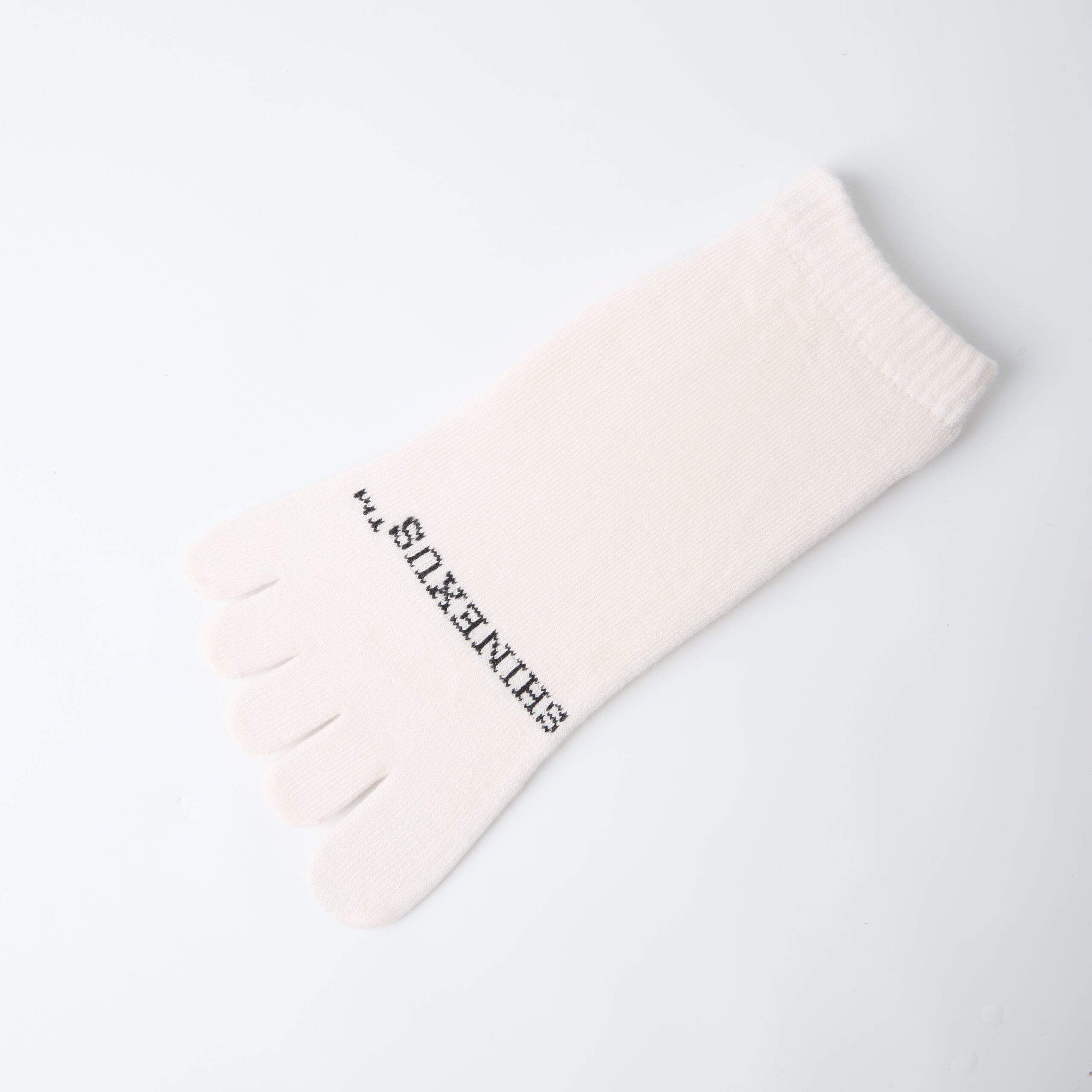
Grip socks are not forever, but they last longer than people expect when treated well. Lifespan depends on how often you practise, how you wash, and how closely the sock fits. This guide explains what shortens a pair’s life, how to extend it, and the visible signs that it is finally time to replace your Pilates grip socks.
What affects lifespan
The two biggest factors are frequency of use and how the socks are washed. Daily practitioners wear through fabric and grip faster than weekly attendees. Heat, bleach and tumble drying accelerate degradation of the silicone dots. Fit also matters: a sock that rotates rubs against the footbar and wears unevenly. Understanding these helps you predict when a pair will need replacing. Read our washing routine to protect the grip.
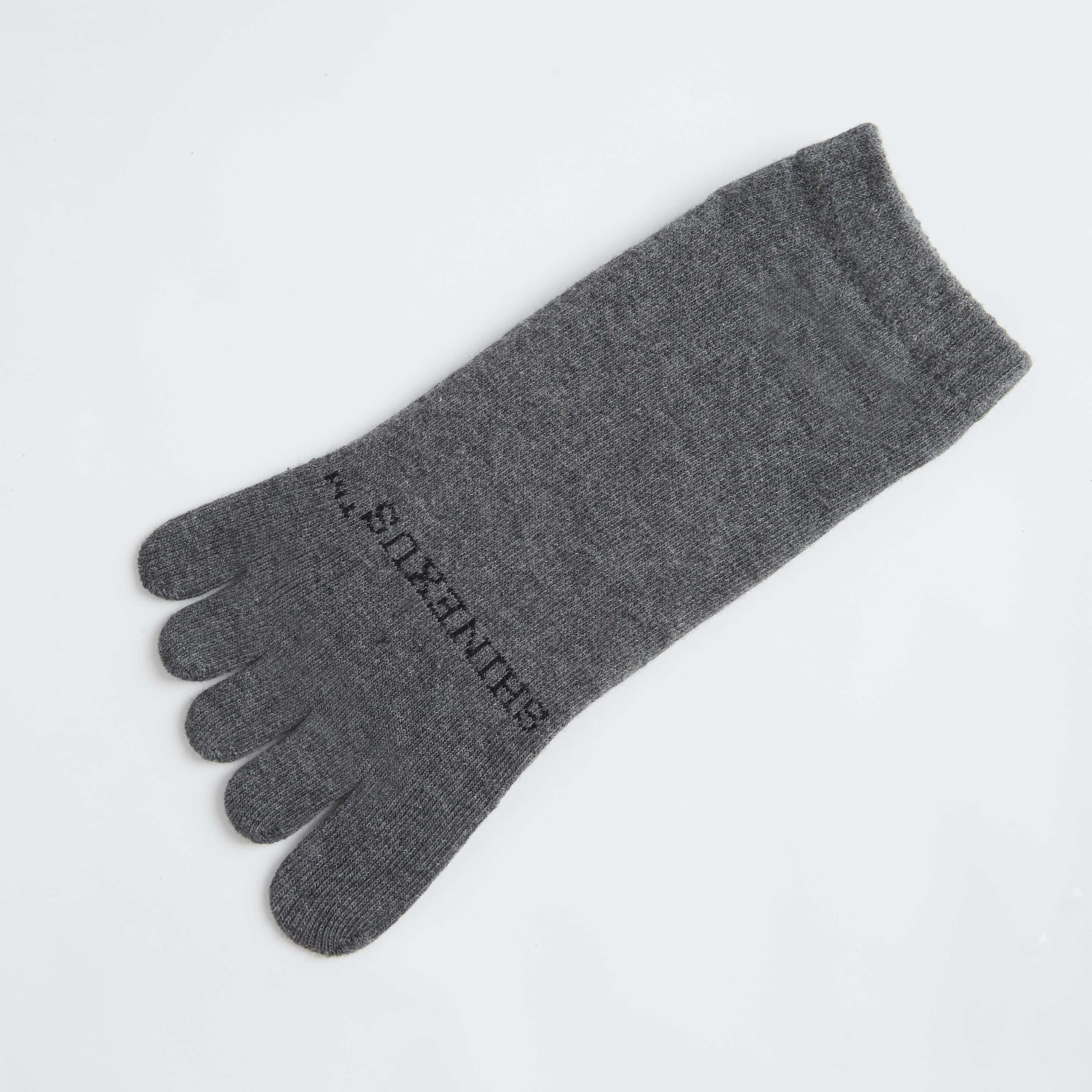
How to extend wear
Wash cold, inside out, with mild detergent, and air dry flat. Skip softener and bleach. Rotate pairs so each gets less continuous wear and time to recover. Avoid wearing grip socks outdoors, even briefly; grit abrades the sole. Store them dry and folded, not stuffed in a damp bag. The full routine is on the care guide, and our existing post on washing Pilates grip socks covers the steps.
Visible signs of wear
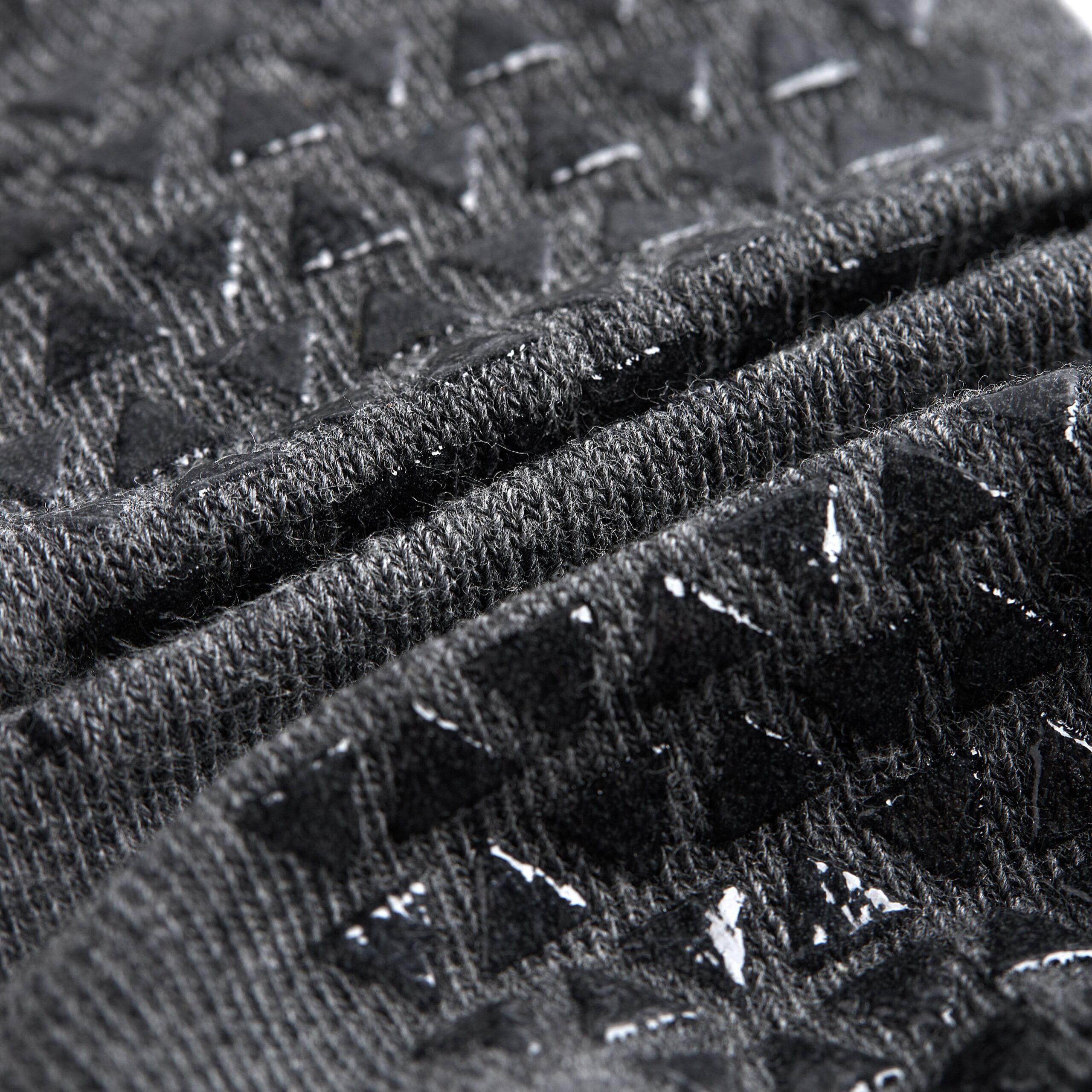
Watch for smooth, shiny patches on the sole where the silicone has worn flat, thinning fabric, holes, or a sock that no longer sits securely at the heel. If it slips or rotates even when freshly put on, the grip or shape has likely failed. Odour that does not wash out can also signal it is time. Compare the feel to a new pair; sudden reduction in traction is the clearest sign.
When to replace
There is no fixed date; it depends on use. A few times a week, with good care, a pair commonly lasts many months. Replace when the grip feels unreliable, the fabric is thin, or fit has loosened. Continuing to use a sock that slips defeats the safety benefit, so do not hold on past its best. Refresh your rotation in the SHINEXUS shop.
Rotating your collection
Owning two or three pairs in coordinated colours means you always have one clean, one being washed, and one ready. Rotating reduces continuous wear per pair and keeps your kit fresh. It also lets you mix heights for different studios and seasons. Choose colours via the collections and check fit with the size guide. For business use, studios can discuss wholesale via For Studios.
Signs at a glance
| Sign | What it means | Action |
|---|---|---|
| Smooth sole patches | Silicone worn flat | Replace |
| Slipping or rotating | Grip or fit failing | Replace |
| Thin fabric or holes | Wear through knit | Replace |
| Persistent odour | Deep set after washes | Consider replacing |
| Still grippy and soft | Normal use | Keep caring and rotate |
Questions are answered on the FAQs page. Explore the Journal for more care and movement guidance.
When to retire a pair ethically
Even with the best care, grip socks eventually reach the end. Once the sole is smooth and the dots are worn flat, the sock no longer protects against slips. Do not keep wearing it “just in case”, because a slippery sock defeats the purpose. Repurpose worn pairs as cleaning cloths or dusters before disposal, and replace them. Rotating two to three pairs means one is always in service. Shop a fresh pair in the SHINEXUS range.
Signs you are caring well
A well-cared pair stays soft, holds its shape and remains grippy after many months. The knit does not pill heavily, the cuff stays elastic, and the colours stay even. If your pair reaches that milestone, your wash routine is working. Rotate, wash cold, air dry, and the next pair will last just as long. Read the care guide for the full routine and the FAQs for product questions.
Comparing a new and worn pair
To judge wear, lay a new pair beside your current one. Compare the sole: fresh silicone dots are raised and slightly tacky; worn dots are flat and smooth. Check the cuff: a worn pair loses elasticity and slips down. Look at the knit: pilling and thin patches show where friction has done its work. If you notice any of these, it is time to rotate in a new pair. Continuing to use a sock that no longer grips undermines the safety benefit.
Keeping a small rotation means you can make this comparison without going without socks. Refresh colours from the SHINEXUS shop, follow the care guide, and the next pair will last well. Questions are answered on the FAQs page.
Why cheap socks wear fastest
Lower-cost socks often use thinner silicone and weaker knit, which means the dots wear within weeks rather than months. The upfront saving disappears when you replace them every few classes. A mid-range pair with clear sizing and good materials lasts far longer per wear. Buy once, care well, and the total cost per class drops. Refresh from the SHINEXUS shop and follow the care guide.
Making socks last a full year
A year is a realistic target for a well-cared pair practised a few times weekly. Wash cold, air dry, rotate, and replace when the sole smooths. With that routine, your grip socks remain supportive and comfortable across the seasons. Refresh colours as you go. Shop the SHINEXUS range and follow the care guide.
Know when to say goodbye
When the sole is smooth, the cuff loose and the grip unreliable, it is time to replace. Do not stretch a pair past its best. Repurpose it and start fresh with a pair cared for from day one. Good care means each new pair lasts just as long. Shop the SHINEXUS range.
Wrap up
Grip socks are a small but essential purchase, and they reward consistent care. Wash cold, air dry, rotate, and replace when the sole smooths. With these habits, every pair stays supportive for months. Keep your rotation fresh from the shop and follow the care guide.
Frequently asked questions
How long do grip socks usually last?
It varies with frequency and care, but with good care a pair commonly lasts many months of regular practice.
Why did my grip socks lose their grip quickly?
Heat, bleach, fabric softener or tumble drying degrade the silicone. Wash cold and air dry.
Can I repair worn grip socks?
Worn silicone cannot be reliably restored. Once traction drops, replace the pair.
Should I own more than one pair?
Yes. Two or three pairs let you rotate and always have a clean, ready pair.
A well-cared pair quietly supports dozens of classes. Wash it cold, air dry it, rotate it, and replace it when the sole wears. With that approach, every new pair lasts. Refresh your rotation from the SHINEXUS shop.
Final guidance
Grip socks last longest with cold washing, air drying and rotation. Watch for smooth soles, slipping and thin fabric, and replace when grip becomes unreliable. Build a small rotation from the SHINEXUS shop, follow the care guide, and the FAQs are here if you need them.
