Grip socks range from a few pounds to a noticeable investment. It is fair to ask why a pair should cost more. The difference shows up in grip that lasts, knit that holds its shape, and sizing that actually fits. This guide lays out seven concrete reasons premium grip socks often work out cheaper over time, and what to look for so the extra cost is justified.
Grip that stays grippy
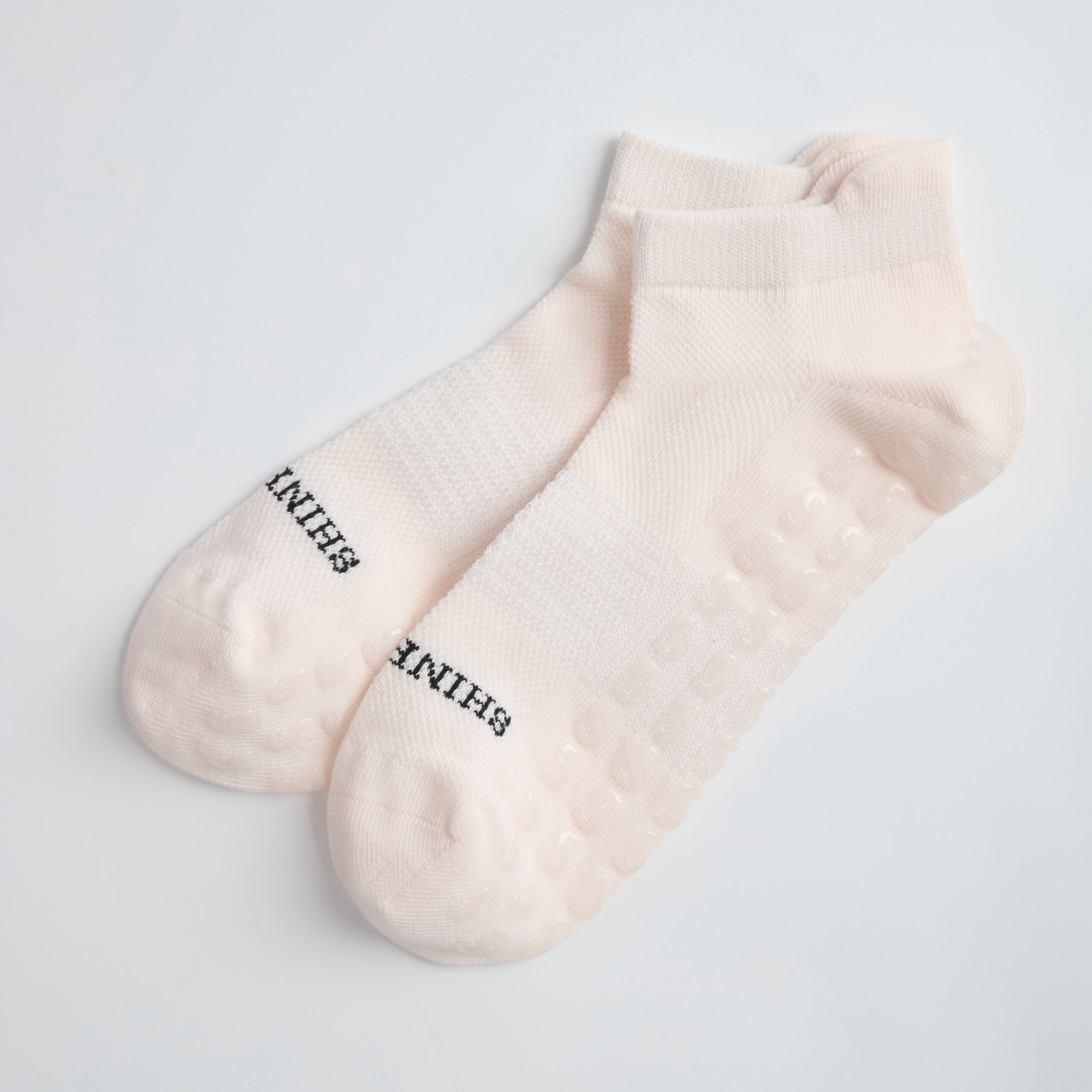
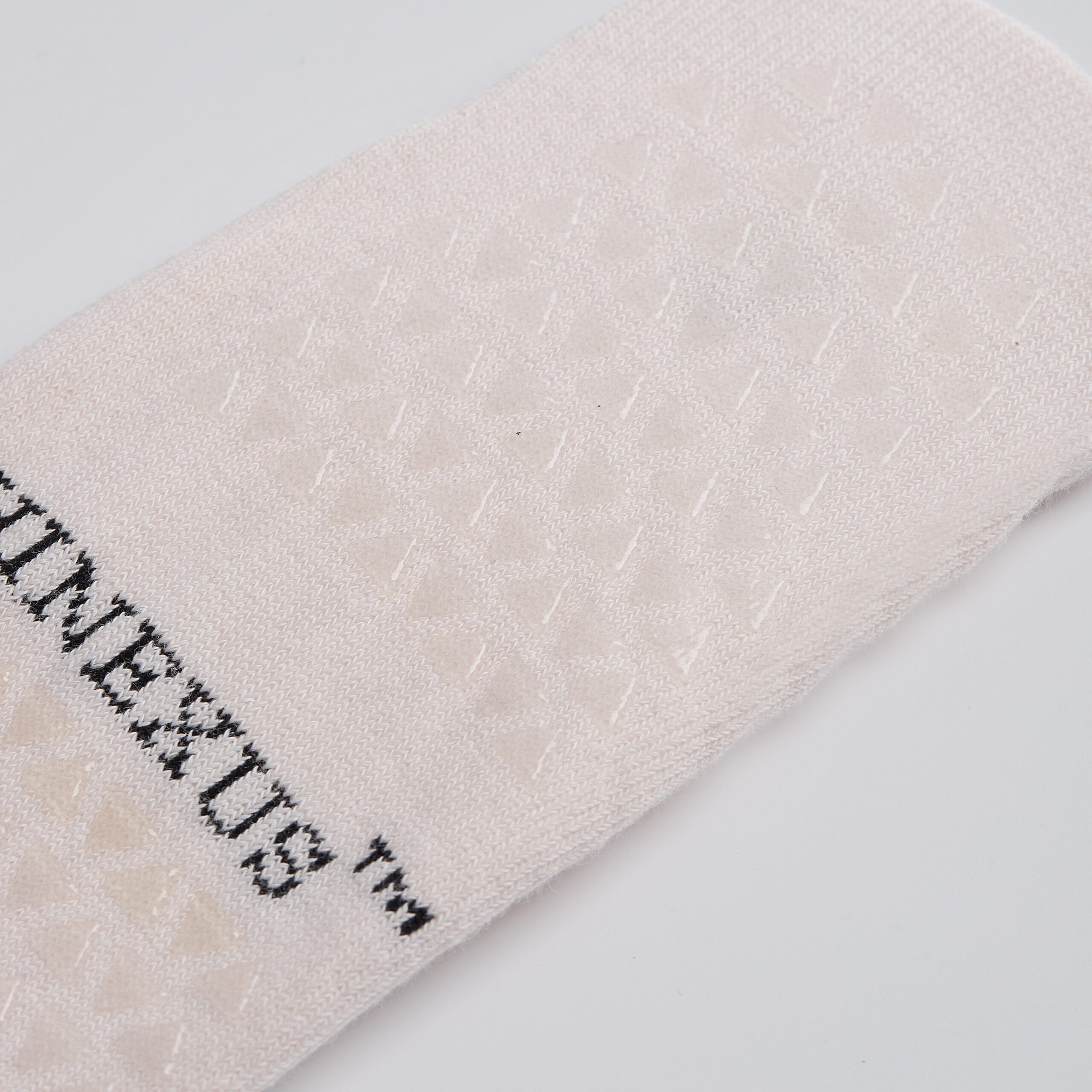
The cheapest socks use sparse silicone dots that wear smooth within weeks. Premium socks use denser, better-bonded coverage under the heel and ball of the foot. That means the grip works on week one and on month ten. A sock that slips mid-class is not a bargain, regardless of price. Compare the grip pattern in the collections.
Dense, well-bonded grip outlasts cheap dots.
Knit that keeps its shape
Cheap knit pills, stretches and sags. Premium knit bounces back, holds the cuff and stays smooth wash after wash. A sock that sags at the heel rotates on the foot, which defeats the grip. Durability is the single biggest reason to pay a little more. Read how long grip socks last.
Real sizing, not guesswork
Premium brands publish centimetre measurements and unisex ranges. Cheap socks often say “one size” and leave you guessing. A correct fit means no pinching, no slipping and fewer returns. The size guide and the fit guide on how grip socks should fit show the difference.
Considered colours and materials signal quality.
Comfort that lets you focus
A premium sock is softer against the skin, without a scratchy seam or a tight band. In long classes, that comfort matters. You stop thinking about your feet and start thinking about your practice. This is the hardest benefit to price, but it is real.
Hygiene and durability
Better materials hold up to regular cold washing without degrading. They do not retain odour after a few months, and the cuff stays elastic. Cheaper pairs often need replacing quickly. With proper care, see the care guide, a premium pair lasts far longer.
Lower cost per class
Do the simple sum. A cheap pair replaced every six weeks costs more over a year than one durable pair that lasts nine months. Factor in the frustration of slipping socks and the extra returns, and the premium option wins on value. Start with a single pair from the SHINEXUS shop.
Usually, when they last longer and grip better. Cost per class is often lower.
How do I know a sock is good quality?
Look for dense silicone, a clear size chart, durable knit and a brand that publishes care guidance.
What should I pay for grip socks?
Price ranges vary; focus on grip, fit and durability rather than a number alone.
Do premium socks really last longer?
With cold washing and air drying, a well-made pair lasts many more months than a cheap one.
What you are actually paying for
A premium grip sock is not a fashion item first; it is an engineered textile. The knit density controls stretch and recovery. The silicone application process determines how firmly the dots bond to the fabric and how they survive repeated washing. The seam placement affects whether the toe rubs. The cuff elasticity decides whether the sock stays up or slumps. Each of these is a manufacturing choice, and cheap products cut corners on all of them. When you pay a little more, you are paying for materials and processes that you cannot see but that you feel within weeks.
You can inspect some of it yourself. Turn a sock inside out: the seams should be flat, the silicone should feel firmly bonded, and the knit should look even. If the dots lift at the edges, they will shed quickly. This is why buying from a brand that stands behind its product matters more than a logo. Read about lifespan and the care guide.
Thinking in cost per class
Most buyers compare ticket prices and stop there. Add the cost of frustration: a sock that slips mid-plank, a pair that pills after three washes, the time spent returning an ill-fitting product. Now compare over a year. Suppose you attend twice a week. A durable pair that lasts nine months, bought once, beats three cheap pairs bought across the same period. It also beats the mental tax of unreliable kit. Value is not the lowest price; it is the best outcome per class.
Start with one well-made pair rather than a multi-pack of unknown quality. Once you know the fit and feel, buy a second in a coordinating colour. Browse the SHINEXUS shop and use the size guide.
Who should invest more
A premium pair is most worth it if you practise two or more times a week, attend classes in a studio, or rely on grip socks for safety on equipment. Heavy users wear through cheaper socks fast, so the math tilts strongly toward durability. Occasional home users can spend less, but should still avoid the very cheapest options, which often fail on grip. Athletes and older practitioners who need confident footing should prioritise grip quality over colour. Everyone benefits from correct sizing, because an ill-fitting sock fails regardless of price. Use the size guide, read the fit guide, and buy once rather than repeatedly.
Buyers’ common questions
How long should good grip socks last? With cold washing and air drying, months of regular use. Why do cheap ones wear so fast? Thin silicone and loose knit. Is it worth paying more for colours? Buy grip and fit first; choose colours second. What if I am between sizes? Choose the larger range. These answers come back to the same principle: pay for durability, not a logo. Check lifespan and the size guide.
How to start without overspending
If you are new to studio practice, buy one mid-range pair rather than a multi-pack. Use it for a month, wash it correctly, and see how it feels. If it performs, buy a second in a coordinating colour. If it fails, you have only risked one purchase. This staged approach keeps costs sensible while learning your preferences. Avoid impulse multi-buy deals from unknown brands; they rarely age well. Shop the SHINEXUS range with confidence.
A final word on value
Value is personal. If you practise once a week, a modest pair is sensible; if you train several times a week, durability pays for itself. Either way, avoid the cheapest options, because they fail where it matters most. Buy from a brand that publishes sizing and care guidance, wash correctly, and rotate pairs. The cost per class falls the longer a pair lasts. Start with the SHINEXUS range and use the size guide.
A final word on value
Value is personal. If you practise once a week, a modest pair is sensible; if you train several times a week, durability pays for itself. Either way, avoid the cheapest options, because they fail where it matters most. Buy from a brand that publishes sizing and care guidance, wash correctly, and rotate pairs. The cost per class falls the longer a pair lasts. Start with the SHINEXUS range and use the size guide.
Final guidance
Pay for grip, knit and sizing, not a logo. A single durable pair bought from a brand with clear measurement and care guidance usually beats several cheap pairs. Shop the SHINEXUS range and use the size guide.