

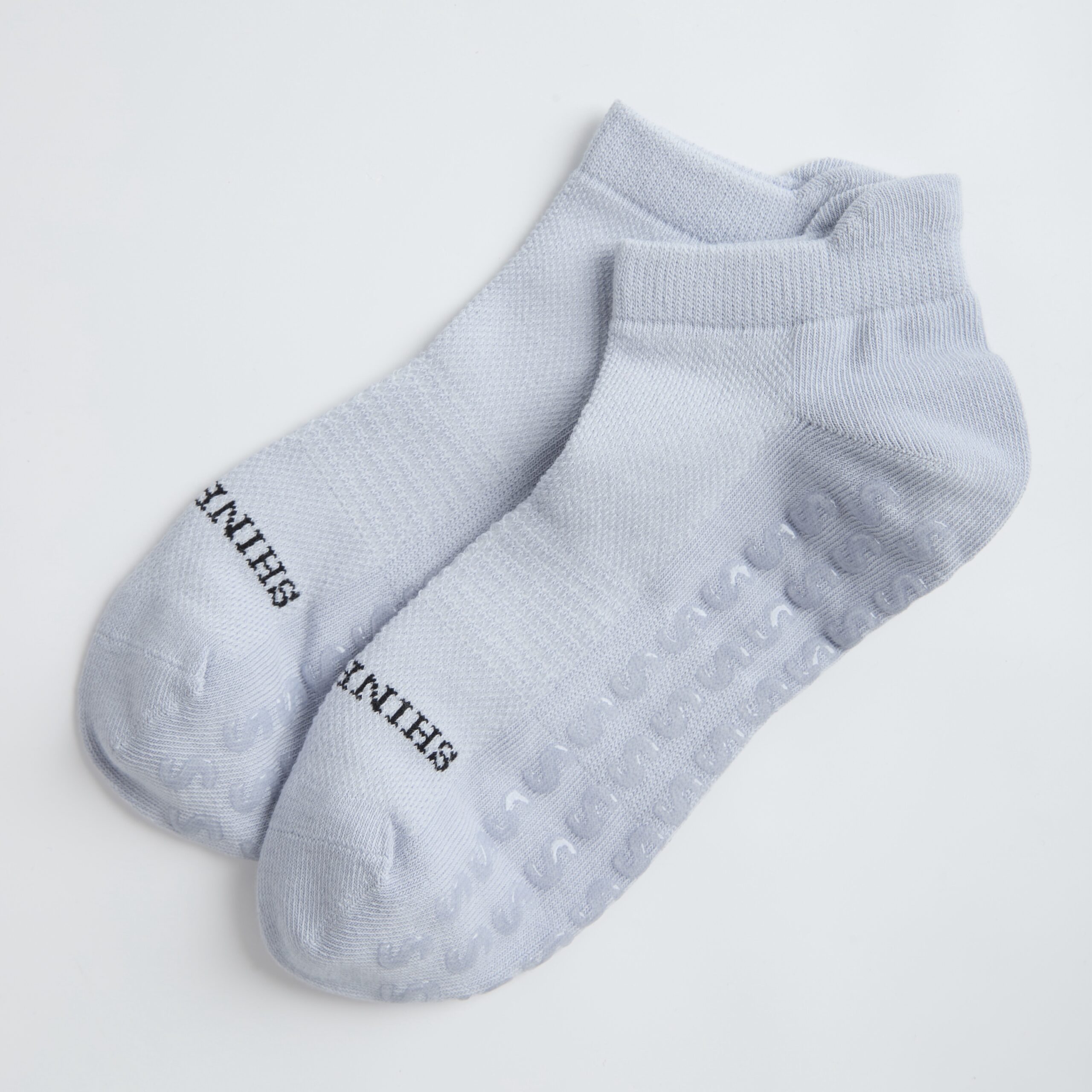
A reformer Pilates bag can be simple. Most studios provide the apparatus and shared props, while the client brings comfortable clothing, any required grip socks, water and the information needed for a safe introduction. Packing too much creates clutter; arriving without a required item can delay or prevent participation. This complete checklist explains what is usually useful in a UK studio, why each item matters and which details must be confirmed directly with the venue. Studio instructions always override a generic list.
Booking details and arrival information
Save the confirmation email where it is easy to access. Check the address, entrance instructions, class time, late-entry rule and cancellation policy. Boutique studios may use door codes or have reception open only around class times. First visits often require an earlier arrival for forms and equipment orientation. Add travel time for parking, public transport and finding an unfamiliar building.
If the venue requires grip socks, order before the final day. The SHINEXUS delivery page explains current UK information, while the FAQs cover common ordering questions. Contact the studio if any requirement is unclear.
Comfortable, secure clothing
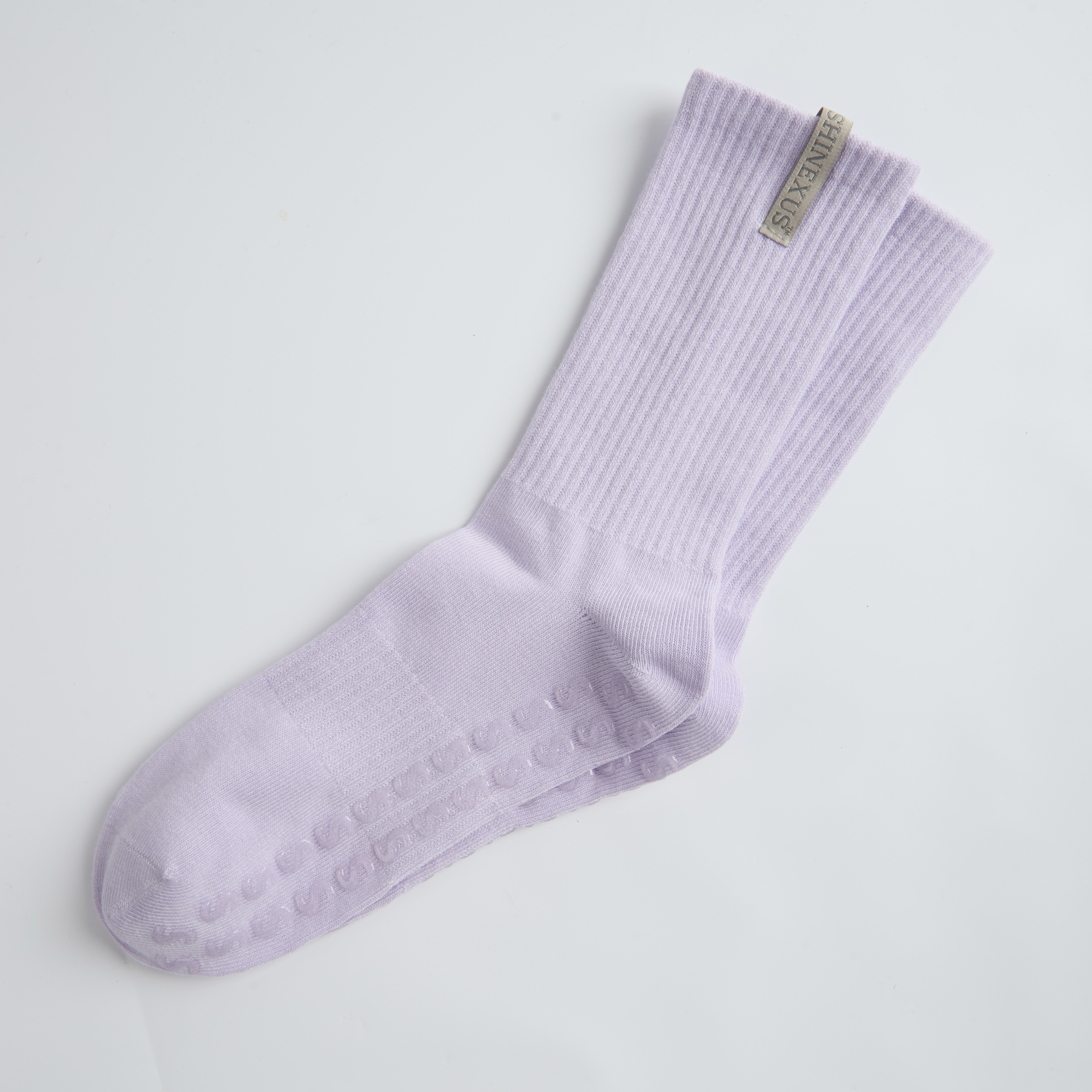
Choose clothing that permits a full range of motion and stays in place when lying, kneeling or placing the feet in straps. Very loose fabric can obscure general alignment or catch around equipment. Leggings, fitted joggers, shorts and a comfortable top are common choices, but there is no need to buy a special outfit for a first class. Remove sharp accessories and secure long hair.
Consider layers for the journey and warm-up, especially in cooler UK weather. The working layer should not restrict breathing. Jewellery, belts, zips and decorative hardware can press into the body or touch upholstery, so leave unnecessary pieces at home.
Clean, correctly fitted grip socks
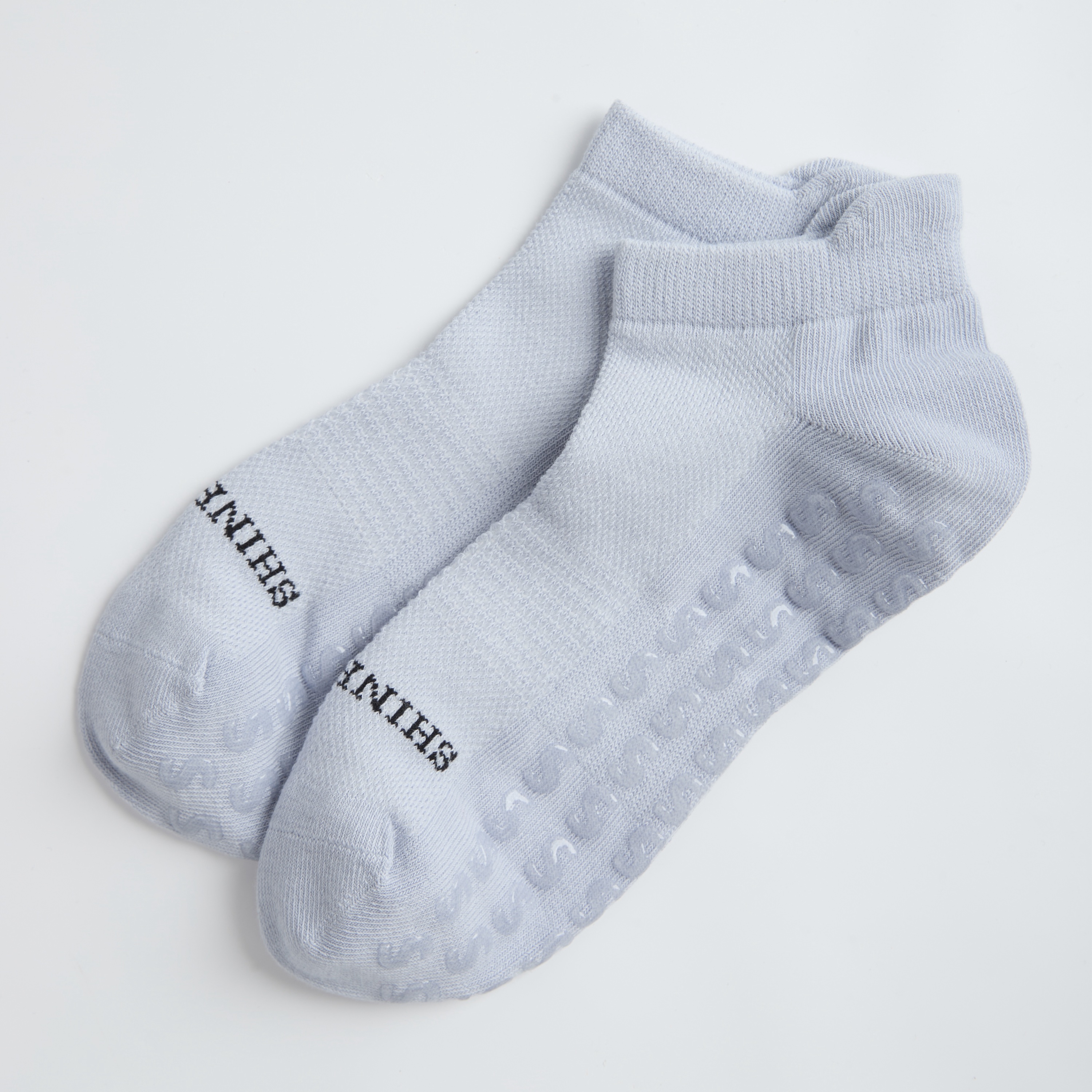
Many reformer studios require grip socks for hygiene and traction. Pack a clean, fully dry pair in its own pouch. The heel should remain centred, toes should move naturally and the grip should sit under the load-bearing areas. Do not bring a damp pair from the previous class or use heavy foot lotion immediately beforehand.
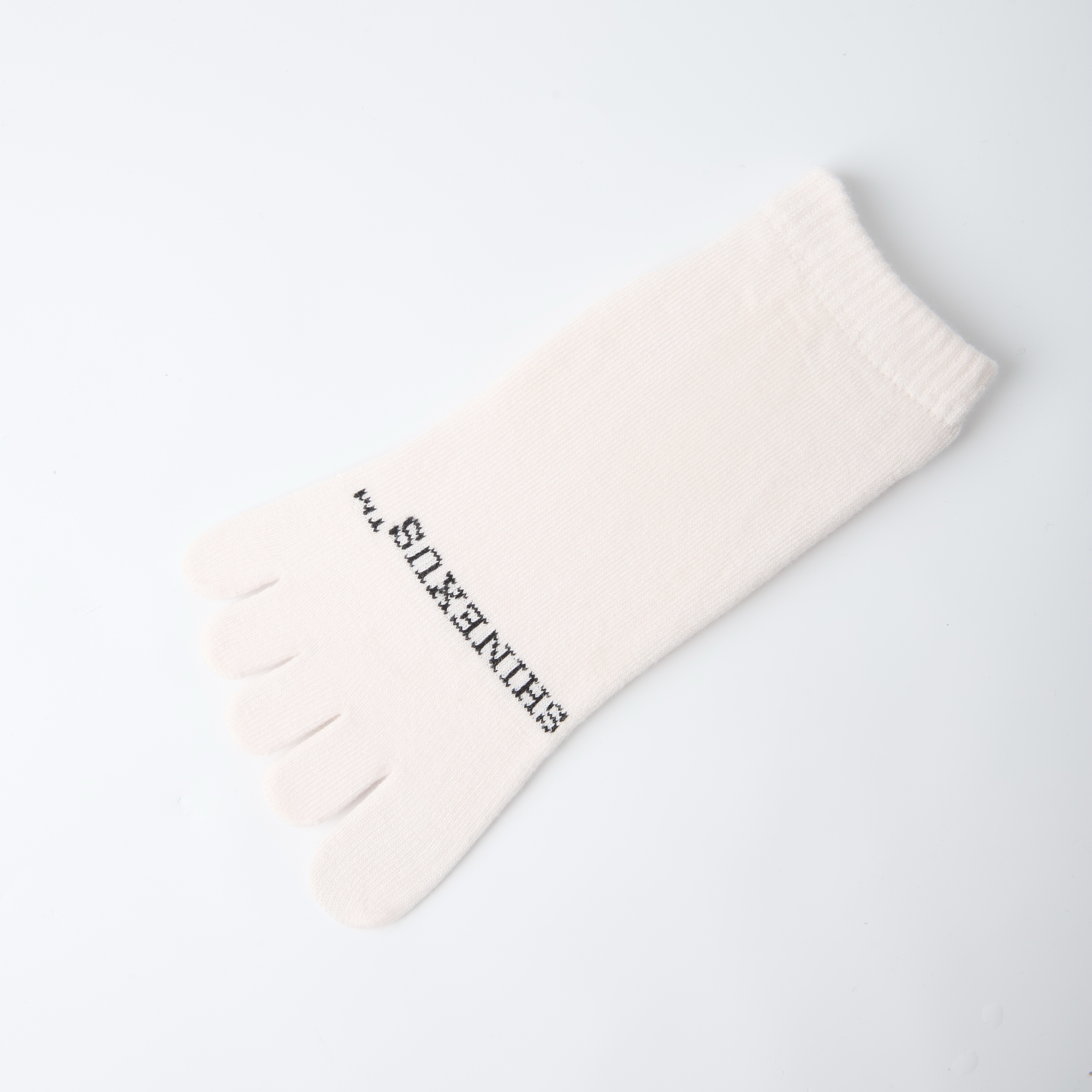
Use the size guide before buying and explore ankle, crew and toe options in the collections. The complete SHINEXUS shop makes it easy to choose a studio-ready pair.
Water and personal health essentials
Bring a closed, non-glass water bottle if the studio permits bottles beside the reformer. Most classes do not require sports drinks or supplements. Pack any essential medication you normally need, such as a prescribed inhaler, and keep it accessible. Do not share medication or rely on the studio to supply personal medical items.
Inform the instructor about pregnancy, recent surgery, injury, dizziness, pain or relevant clinical advice. A group class cannot replace individual medical assessment. If a healthcare professional has provided participation restrictions, bring them in a form you can explain accurately.
Optional items that may improve the visit
A small towel can be useful in warmer classes if the studio allows it. A breathable pouch keeps worn socks separate after class. Hair ties, period products and a light post-class layer are sensible personal additions. Some clients bring a notebook for a brief cue after class, but do not write or use a phone while safety instructions are being given.
Frequent clients may rotate two or more pairs so each can be washed and dried properly. The care guide explains how to protect grip and elastic rather than using emergency high-heat drying.
What usually belongs at home
Avoid glass bottles, strong fragrances, valuables, open drinks and oversized bags. Do not bring your own cleaning spray unless the studio specifically requests it; unsuitable products can damage equipment. Large cameras and tripods are inappropriate without permission, and filming other clients is never acceptable without explicit consent.
The goal is a clear, calm station. Read the venue policy, pack only what supports participation and leave enough attention for instruction. Clients who value considered equipment choices can read the SHINEXUS design approach before building a regular kit.
Quick comparison
| Item | Usually needed? | Check first |
|---|---|---|
| Booking information | Yes | Arrival and late policy |
| Comfortable clothing | Yes | Any dress restrictions |
| Grip socks | Often | Studio requirement and style |
| Water bottle | Usually | Where bottles may be placed |
| Personal towel | Optional | Studio and class type |
| Cleaning spray | No | Use only studio products |
Frequently asked questions
Do I need a mat for reformer Pilates?
Usually no. The reformer and required shared props are generally provided, but confirm with the studio.
Can I bring my phone into class?
Keep it silent and stored unless the studio has given permission for a specific reason.
Should I bring trainers?
Reformer work is commonly done in grip socks or bare feet according to studio policy, not trainers on the apparatus.
A practical way to apply this guidance
Use the advice as a short decision process rather than changing everything at once. First confirm the studio rule and the product care label. Next check the sock or class choice in a calm setting, using slow movements and an ordinary session rather than an artificial slip test. Record what you can actually observe: heel position, toe comfort, cuff pressure, sole alignment, moisture, ease of transition and how the item behaves after correct washing. These details are more useful than a general impression that something feels premium or secure.
Reassess after several classes because a first wear cannot show laundering response or longer-session comfort. Change one variable at a time—for example size, silhouette or wash routine—so the result is understandable. Stop if you experience pain, numbness, dizziness or another concerning symptom, and seek appropriate professional advice where health is involved. Equipment supports practice; it does not diagnose a problem, replace instruction or remove the need for controlled technique. This measured approach helps a beginner make a defensible choice and gives an experienced client a consistent way to review an existing routine.
Final guidance
Pack the essentials: booking information, suitable clothing, required grip socks, water and personal health items. Add only the optional pieces that genuinely improve comfort. Confirm the venue rules, arrive with time to prepare and keep the reformer area uncluttered.
How this guide was prepared
This article was written for UK studio clients using practical product-care principles, common reformer class procedures and observable fit criteria. It distinguishes apparel guidance from medical advice, avoids promising that equipment can replace technique, and directs readers to product-specific sizing, care and studio policies. Information should be checked against the current class provider’s rules and the care label supplied with the product.
SHINEXUS designs grip socks for Pilates, yoga and barre. Product links are included where they help readers compare a specific silhouette, size resource or care instruction. The article was reviewed for clarity, internal consistency and usefulness to a reader making a real class or purchase decision.
