

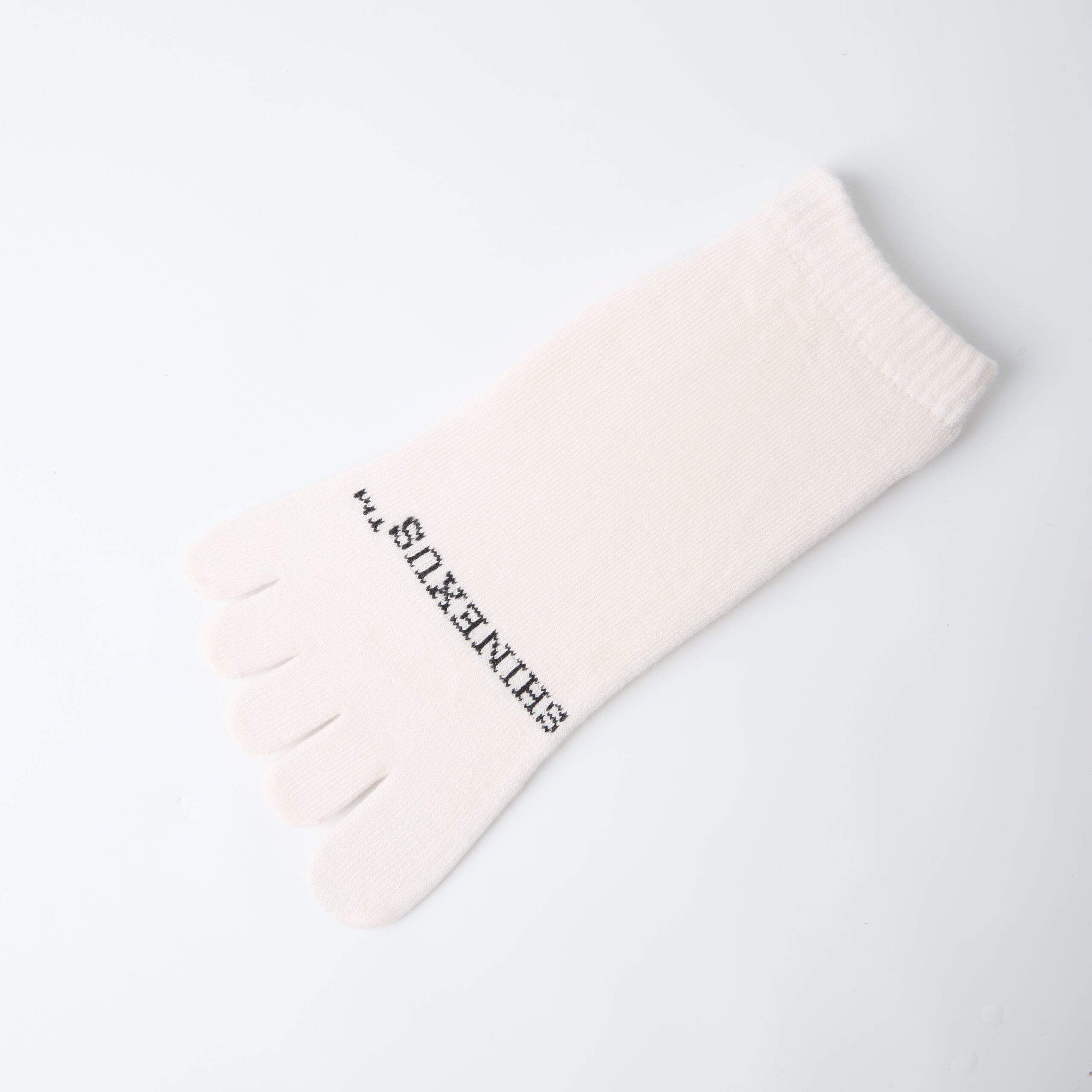
Yoga is traditionally practised barefoot, so the question of grip socks is more nuanced than for reformer Pilates. On a clean, sticky mat, bare feet work beautifully. On studio floors, in hot rooms, or when sharing equipment, grip socks offer a useful layer. This guide helps you decide when yoga grip socks earn a place in your kit bag.
Bare feet vs grip socks on the mat
A quality yoga mat is designed to grip bare skin. In downward dog and standing poses, your feet and toes need direct contact to spread and ground. A thin grip sock can slightly reduce that feedback, but it also protects the mat and your feet. On a personal, clean mat at home, bare feet are ideal. In a studio where many people use the same mat, a thin toe or ankle grip sock adds hygiene without sacrificing too much feedback. See our take on grip socks vs bare feet.
Hot yoga and sweaty hands
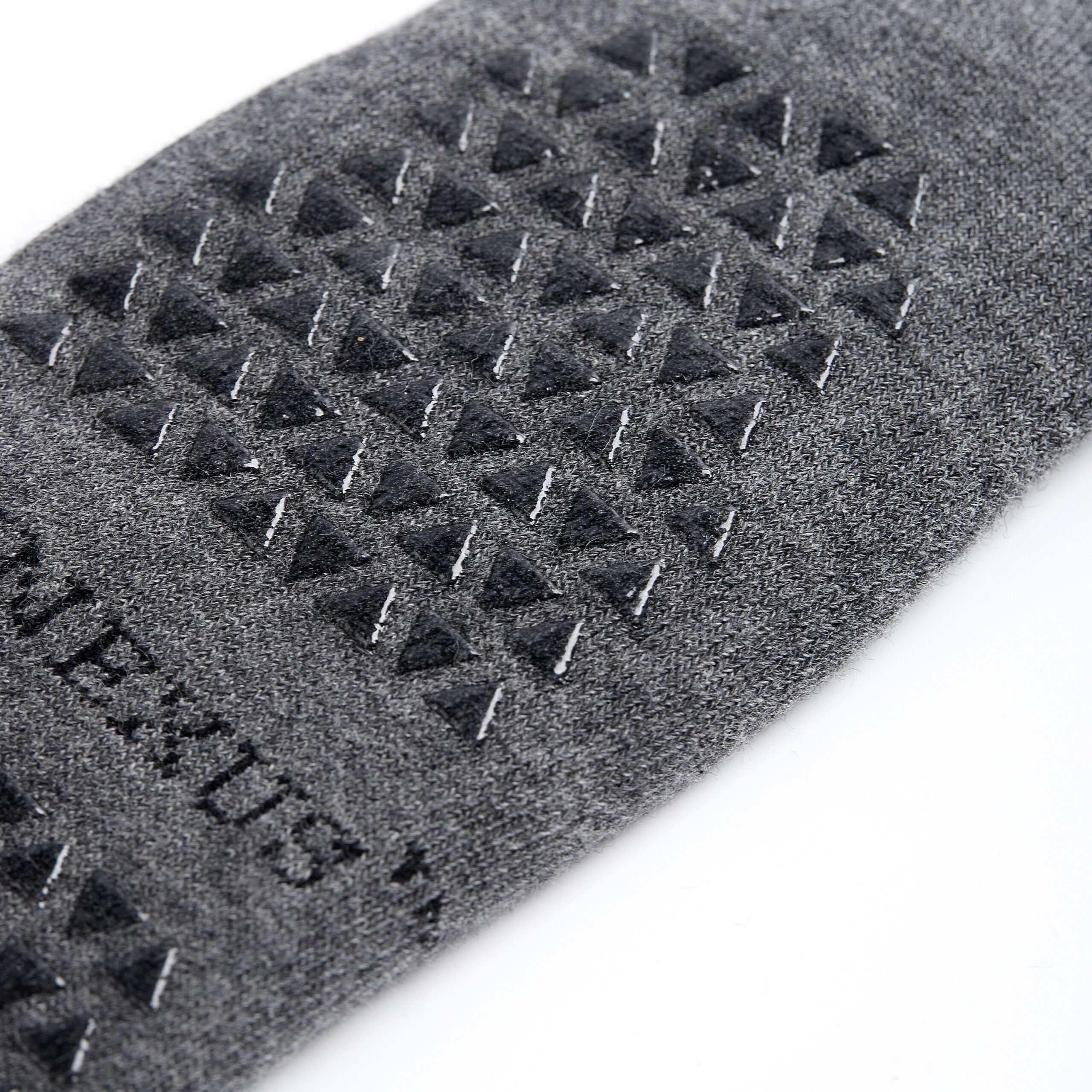
In hot yoga or heated flow classes, feet sweat and become slippery even on a sticky mat. A grippy sole gives you confidence in lunges and warrior sequences. Choose a breathable pair and wash it after every heated class. Toe socks are especially useful here because each digit can grip independently. Rotate pairs so they dry fully between uses.
Studio floors and shared spaces
Many yoga studios ask for grip socks on the non-slip floor area or during floor work to protect wooden surfaces and improve hygiene. Even when not required, a sock is a personal barrier. Check your studio’s policy, and bring a pair if in doubt. The etiquette guide covers shared-space norms.
Home practice
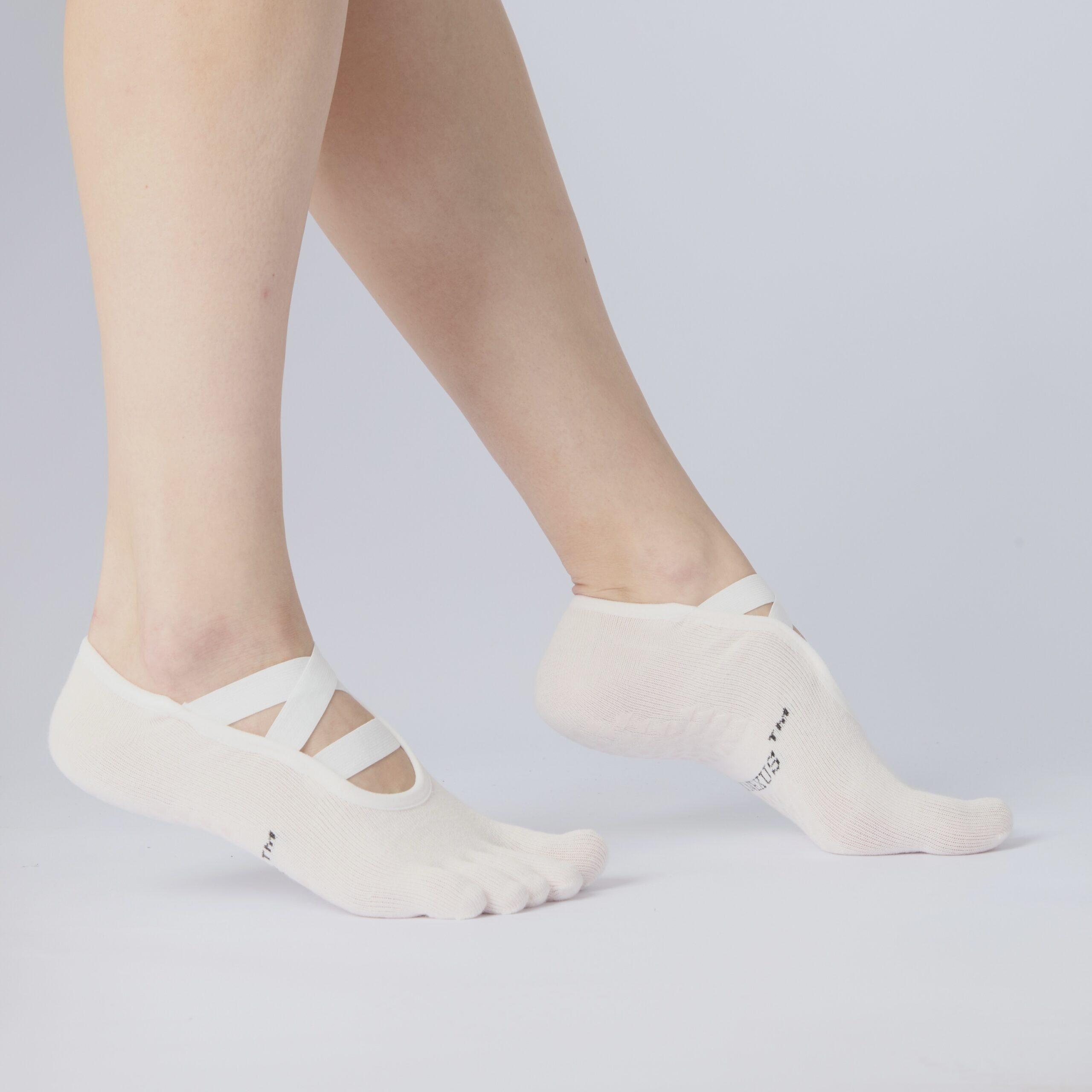
At home on your own mat, go barefoot if you prefer. If you practise on a hard floor, a thin grip sock can protect your feet and the surface. The same pair works for home Pilates, barre and stretching. Build a small kit from the collections.
Choosing a yoga sock
For yoga, choose a thin, flexible pair with toe separation for feedback, or a lightweight ankle sock for floor grip. Avoid thick socks meant for winter; they bunch. Use the size guide and read how toe grip socks support yoga and Pilates.
Quick comparison
| Scenario | Bare feet | Grip socks |
|---|---|---|
| Clean home mat | Ideal feedback | Optional |
| Heated studio | Can get slippery | Useful grip |
| Shared studio floor | Limited by policy | Recommended |
| Travel yoga | Less hygienic | Good barrier |
Browse the SHINEXUS range and read the FAQs.
Frequently asked questions
Are grip socks good for yoga?
They help on shared floors and in heated rooms. On a clean personal mat, bare feet offer more direct feedback.
Should I wear toe socks to yoga?
Toe socks preserve foot articulation, which many yogis prefer. Traditional socks are simpler.
Can I use Pilates socks for yoga?
Yes. The same non-slip pair works across yoga, Pilates and barre.
Do studios require grip socks for yoga?
Mat yoga often allows bare feet; floor or equipment-based classes may ask for socks. Check your studio.
Foot feedback in your practice
Yoga teachers talk a lot about grounding, spreading the toes and rooting down through the four corners of the foot. That requires direct sensory contact. When you first switch from bare feet to a grip sock, you may notice a slight loss of detail. A thin, toe-separated sock minimises that loss because each toe still has space to spread and grip independently. Over a few classes, your foot adapts and the feedback feels normal. The benefit is that you can walk around the studio, use shared mats and transition between poses without the hygiene and slip concerns of bare feet.
In standing poses such as warrior II and triangle, the foot is your base. A slippy base makes balance work harder than it needs to be. Grip socks add confidence, especially on a polished wooden floor that becomes more slippery as people sweat. You are not weakening your practice; you are protecting the surface and yourself. Read more about the trade-off in grip socks vs bare feet.
By class type
Gentle and restorative: Bare feet on a clean mat are fine. A thin sock adds warmth and hygiene if you prefer. Vinyasa and flow: More movement and sweat; grip socks help you transition safely. Hot yoga: Strongly recommended, because sweat makes even sticky mats slippery. Yin and floor-based: You are mostly seated or lying down, so a thin sock is comfortable. Yoga with equipment props: Treat it like Pilates and use full grip socks.
Whatever your style, keep a spare pair in your bag. Yoga studios often have communal mats, and a clean pair is the polite choice. Shop across the collections and use the size guide.
Building a sustainable yoga habit
The socks are a tool, not a destination. Sustainable yoga practice comes from showing up, breathing and gradually exploring more demanding poses. Use grip socks as part of a reliable kit bag that removes friction: a good mat, a water bottle, layers and a spare pair of socks. On days when motivation is low, prepared kit makes it easier to start. If you travel, pack a thin pair; if you practise at a studio, bring a clean one every time. Read the beginners’ guide and explore the Journal for longer reads. The goal is not to be the most flexible person in the room; it is to be consistent and kind to your body.
What other yogis ask
Can I wear grip socks on a hot mat? Yes; they help when feet sweat. Do grip socks weaken my balance? Only very slightly; thin toe socks minimise it. Should I wash them after hot yoga? Always. Are they allowed in every studio? Most mat studios allow bare feet or socks; check your studio’s policy. The common thread is hygiene and grip. If you split your week between yoga and reformer, one pair covers both. Compare toe grip socks and bare feet.
Practising for the long term
Yoga is a practice, not a performance. Over months and years, consistency builds mobility, breath awareness and calm. Keep your kit simple: a mat, layers and a reliable pair of socks when you need them. Avoid chasing advanced poses before the foundations are steady. A teacher who adjusts your alignment is worth more than any gadget. When you travel, pack thin grip socks for hotel studio floors. Read more in the Journal. The right equipment removes small frictions so the practice itself can grow.
Putting it into practice
Your best next step is simple: choose a clean pair, check the size, and bring it to class. You do not need to solve every question about toe design or height in one day. Start with what your studio accepts and what feels comfortable. Over a few weeks you will know whether you prefer ankle, crew or toe separation. The size guide removes the guesswork, and the care guide keeps the pair you buy in good condition. Read more on the Journal.
Putting it into practice
Your best next step is simple: choose a clean pair, check the size, and bring it to class. You do not need to solve every question about toe design or height in one day. Start with what your studio accepts and what feels comfortable. Over a few weeks you will know whether you prefer ankle, crew or toe separation. The size guide removes the guesswork, and the care guide keeps the pair you buy in good condition. Read more on the Journal.
Final guidance
Yoga grip socks are a personal, contextual choice. Use them on shared or heated surfaces, and go barefoot on your own clean mat. Choose a thin, flexible pair and care for it with the care guide. Shop the range.
