

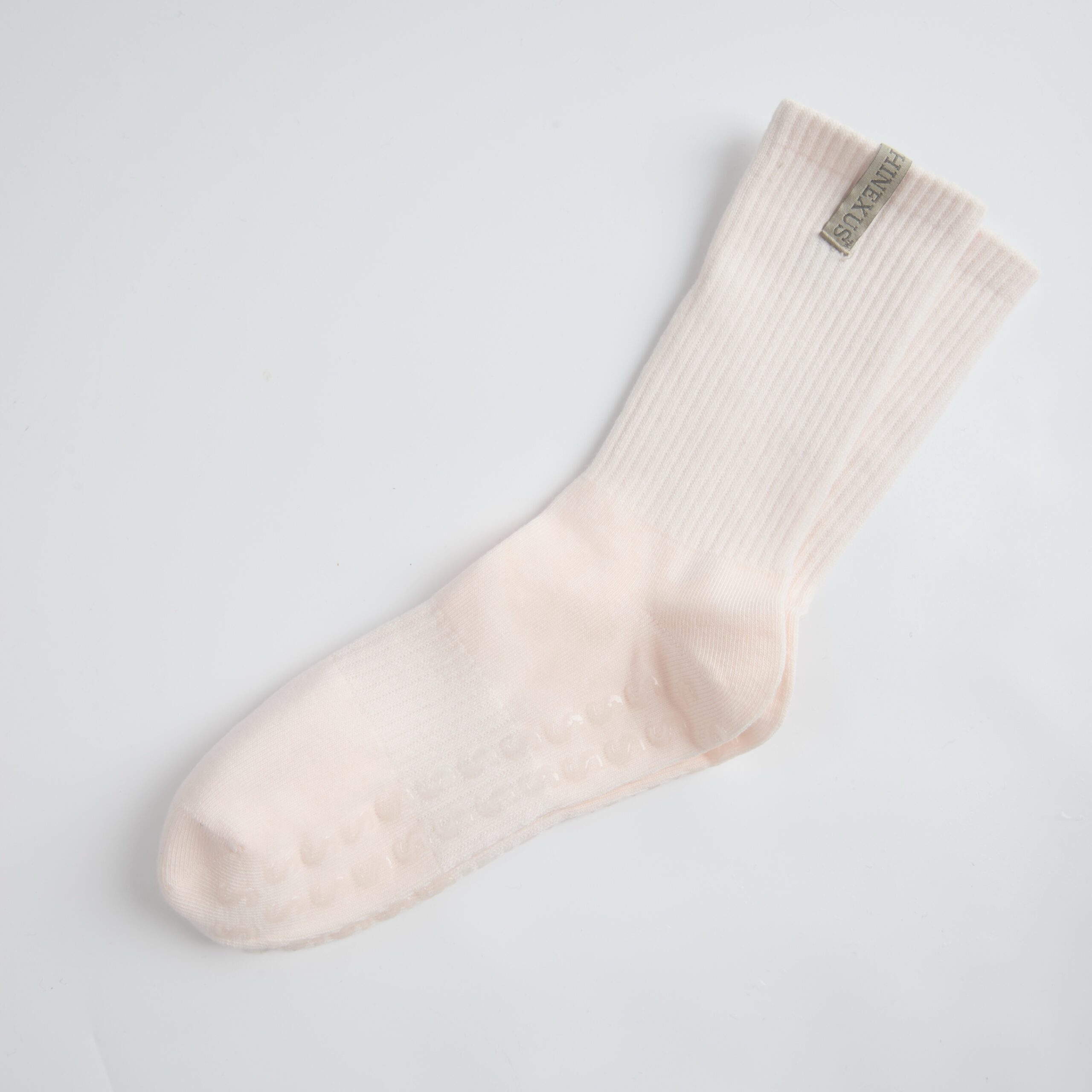
Reformer Pilates etiquette is mostly about helping the class run safely, calmly and on time. Studios differ in their exact rules, but the shared principles are consistent: arrive early enough to prepare, follow the instructor, communicate relevant limitations, respect equipment and leave the station ready for the next person. Good etiquette is not about performing insider knowledge. It is a practical way to reduce avoidable disruption and make a specialist group environment welcoming for beginners and regular clients alike.
Read the booking information before class
Confirmation emails often contain the cancellation policy, arrival time, entrance instructions, grip sock rule and health questionnaire. Read them before travelling. Reformer classes can have limited spaces, so late cancellation may carry a charge. If you are new, complete forms accurately and contact the studio with questions rather than waiting until the class has begun.
Studio requirements take priority over general advice. If grip socks are required, browse the SHINEXUS shop and check delivery timing well in advance. Studios seeking retail support can view the partner programme.
Arrive early, but not excessively early
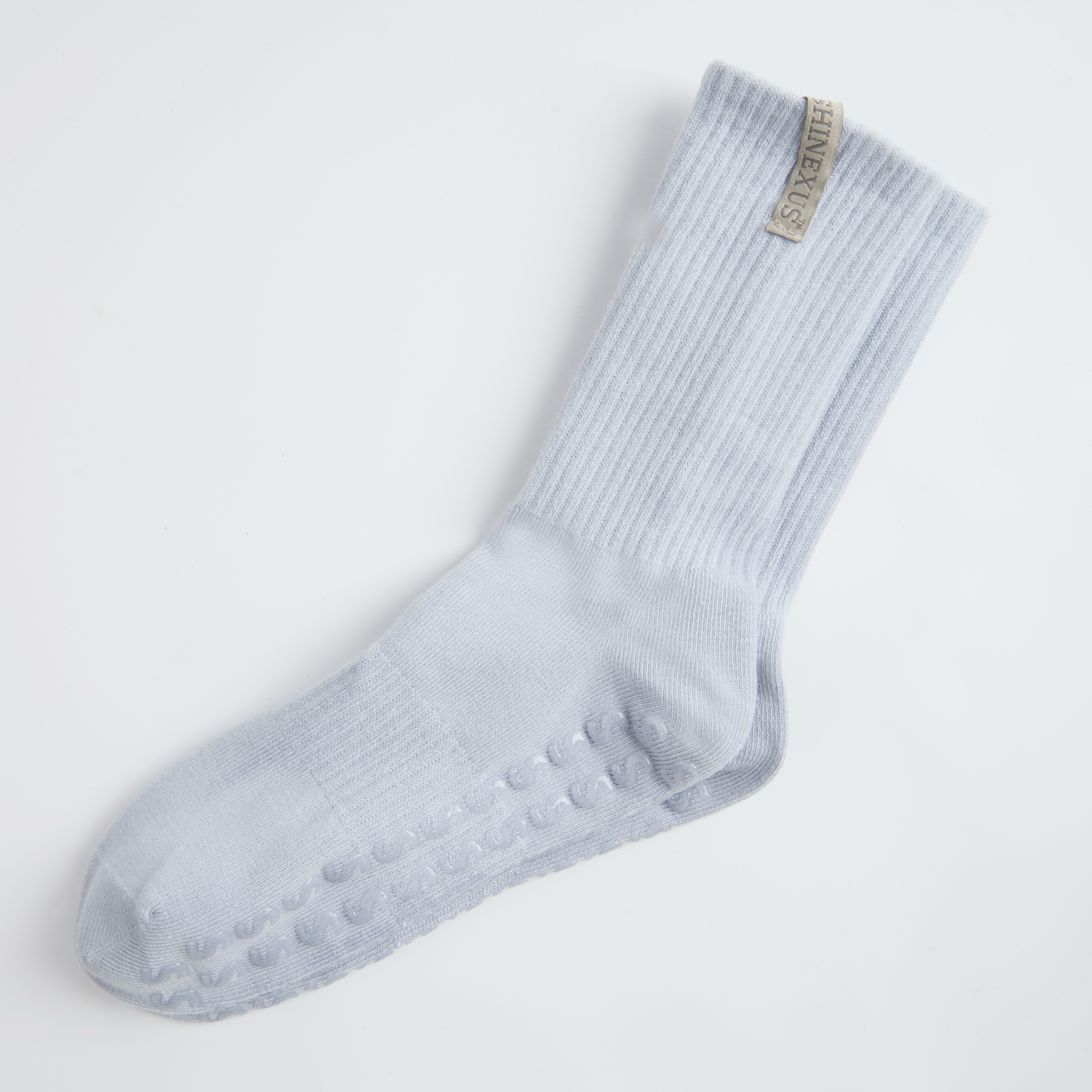
Ten to fifteen minutes is a common recommendation for a first visit, but follow the venue instructions. This allows time to find the entrance, use the facilities, meet the instructor and understand the reformer controls. Arriving after the safety briefing may mean you cannot participate. At the same time, avoid entering an active class or occupying a small reception far earlier than requested.
Place bags and coats where directed, silence your phone and keep walkways clear. If travel disruption makes you late, contact the studio when it is safe to do so. Do not pressure staff to bend a safety-based late-entry rule.
Wear suitable clothing and socks
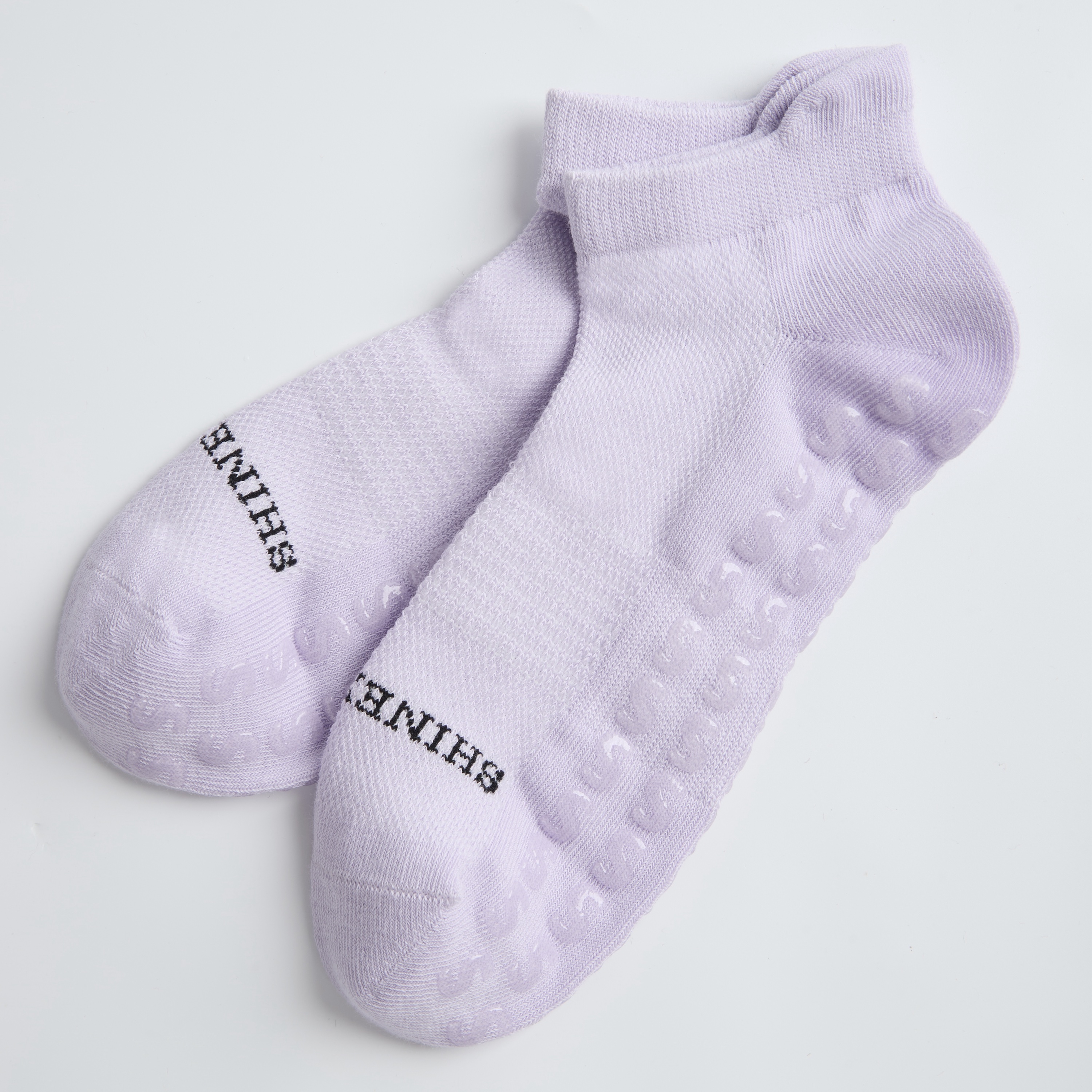
Choose clothing that lets the instructor see general alignment without exposing you during straps or feet-in-straps work. Secure loose hair and remove jewellery that could catch. Many studios require purpose-built grip socks. They should be clean, dry and correctly fitted. Avoid applying foot lotion immediately before class because residue can affect sock and surface contact.
New clients can use the size guide and compare ankle, crew and toe options in the collections. The FAQs answer common care and ordering questions.
Communicate health information appropriately
Tell the instructor about pregnancy, recent surgery, pain, dizziness, injury or relevant medical advice before class. A group instructor can offer general exercise alternatives within their scope, but cannot diagnose or replace a clinician. If you are unsure whether participation is appropriate, obtain clearance from a qualified healthcare professional before booking.
During class, distinguish muscular effort from sharp, sudden or unfamiliar pain. Stop and signal the instructor if something feels wrong. Do not copy a neighbour whose settings or exercise variation may have been chosen for different experience, proportions or needs.
Respect instruction and shared concentration
Listen during spring changes and transitions. Keep movements controlled and avoid changing the apparatus beyond the instructor’s directions. Side conversation, filming and notification sounds can make safety cues harder to hear. Ask concise questions at an appropriate pause; a good studio wants clarification, but a detailed personal consultation may need a separate booking.
Photography rules vary. Never include other clients without their explicit consent, and do not move equipment for a social-media shot. The professional principles described in the SHINEXUS difference place considered movement ahead of performance for the camera.
Clean and reset your station
Follow the studio’s exact cleaning process. Use only the supplied product and cloth because unsuitable chemicals can damage upholstery, ropes or metal. Clean the areas the instructor identifies, return props neatly and leave springs and footbar in the requested position. Do not spray directly toward another client or saturate moving parts.
Take every personal item, including the socks you changed out of, and report damaged equipment rather than quietly leaving it for the next person. At home, follow the grip sock care guide so your kit is fresh and ready for the next booking.
Quick comparison
| Stage | Helpful behaviour | Avoid |
|---|---|---|
| Before class | Read policy and arrive as requested | Assuming every studio has the same rules |
| Setup | Listen to reformer briefing | Copying another client’s springs |
| During class | Ask concise safety questions | Phones, filming or side conversations |
| After class | Clean with supplied products | Using personal sprays on equipment |
| Departure | Reset props and take belongings | Leaving damp socks or bottles behind |
Frequently asked questions
How early should I arrive for reformer Pilates?
Follow the studio instructions. Ten to fifteen minutes is common for a first visit so you can complete orientation.
Can I take photos in a Pilates studio?
Only under the studio policy and without including others unless they have explicitly consented.
Do I need grip socks?
Many reformer studios require them, but policies vary. Check the booking information or contact the venue.
A practical way to apply this guidance
Use the advice as a short decision process rather than changing everything at once. First confirm the studio rule and the product care label. Next check the sock or class choice in a calm setting, using slow movements and an ordinary session rather than an artificial slip test. Record what you can actually observe: heel position, toe comfort, cuff pressure, sole alignment, moisture, ease of transition and how the item behaves after correct washing. These details are more useful than a general impression that something feels premium or secure.
Reassess after several classes because a first wear cannot show laundering response or longer-session comfort. Change one variable at a time—for example size, silhouette or wash routine—so the result is understandable. Stop if you experience pain, numbness, dizziness or another concerning symptom, and seek appropriate professional advice where health is involved. Equipment supports practice; it does not diagnose a problem, replace instruction or remove the need for controlled technique. This measured approach helps a beginner make a defensible choice and gives an experienced client a consistent way to review an existing routine.
Final guidance
Good reformer etiquette is simple: prepare, arrive on time, listen, communicate, respect shared space and reset the equipment. These habits support both safety and a focused atmosphere. When in doubt, ask the studio directly; its policy is the authoritative guide for that room.
How this guide was prepared
This article was written for UK studio clients using practical product-care principles, common reformer class procedures and observable fit criteria. It distinguishes apparel guidance from medical advice, avoids promising that equipment can replace technique, and directs readers to product-specific sizing, care and studio policies. Information should be checked against the current class provider’s rules and the care label supplied with the product.
SHINEXUS designs grip socks for Pilates, yoga and barre. Product links are included where they help readers compare a specific silhouette, size resource or care instruction. The article was reviewed for clarity, internal consistency and usefulness to a reader making a real class or purchase decision.
