

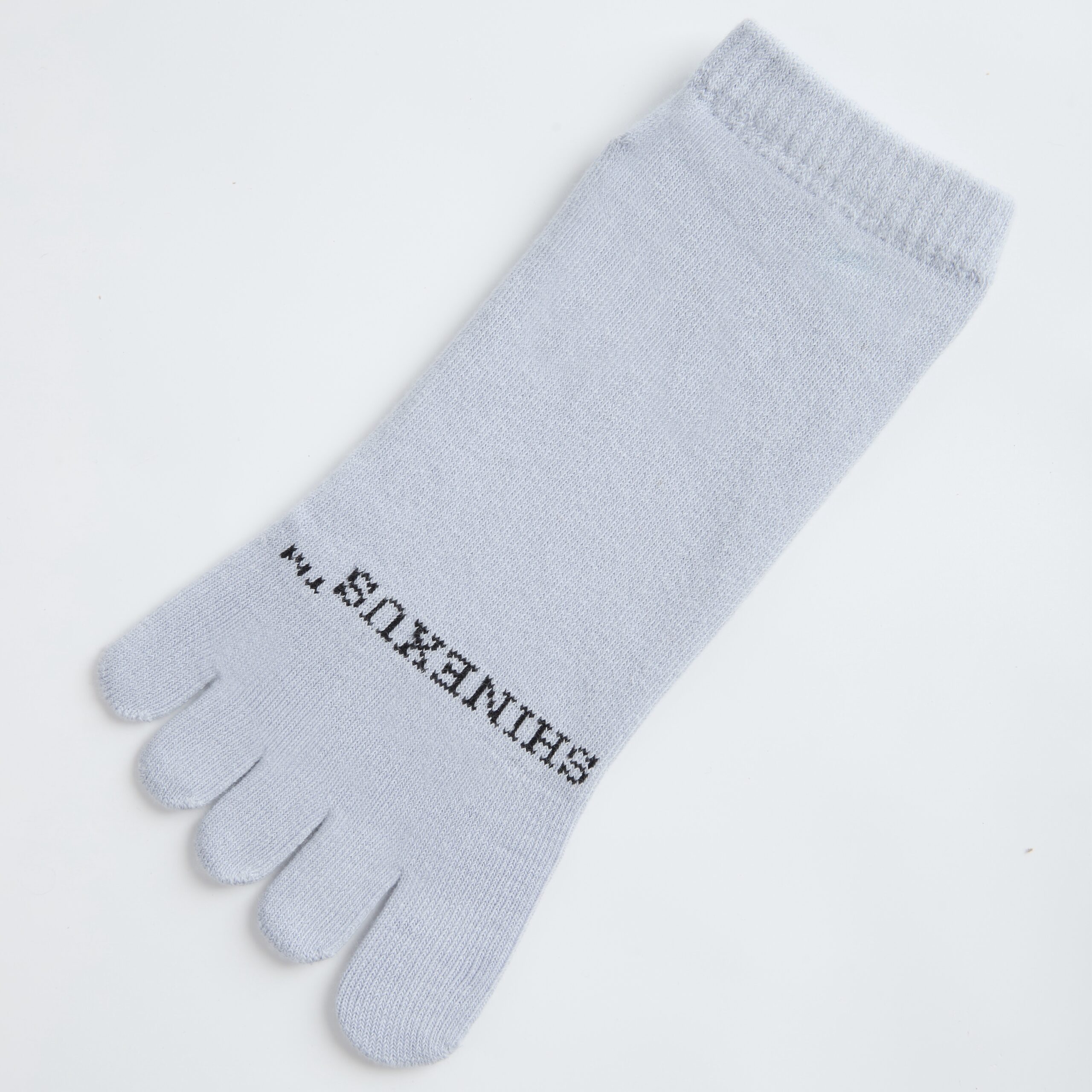
Toe grip socks look unusual at first, but they exist for a good reason. By separating each toe, they encourage the foot to move as a connected, articulate unit rather than a single block. That can help with balance, proprioception and feedback in yoga, Pilates and barre. This guide explains how toe grip socks work, who benefits, and how they compare with traditional grip socks so you can decide if they are worth trying.
How toe grip socks work
Traditional grip socks treat the foot as one unit; the toes sit together inside a single toe box. Toe grip socks give each digit its own pocket, so the toes can spread, grip and move independently. The silicone pattern on the sole still provides the non-slip contact you expect on the reformer, mat or barre. The added benefit is feedback: when a toe lifts, presses or relaxes, you feel it more clearly, which helps you build awareness of how your foot is actually working.
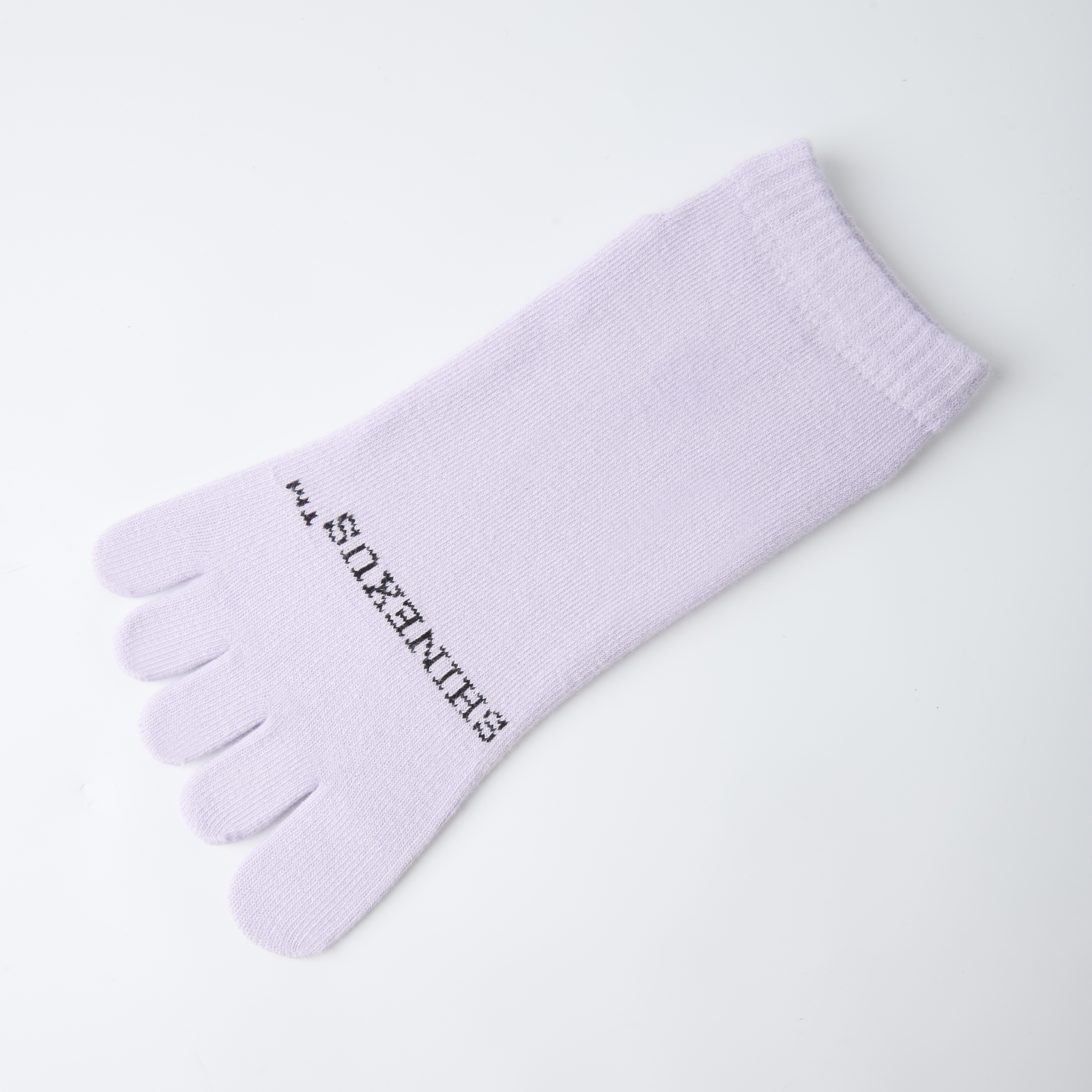
Benefits for yoga, Pilates and barre
In yoga, toe socks can help in balance poses where the foot needs to activate evenly. In Pilates, they support foot articulation during footwork and standing work, and in barre they keep the foot planted through small, repeated movements. The point is not to make poses easier; it is to help you feel what your foot is doing. For a deeper comparison, read our piece on toe grip socks vs traditional grip socks.
Toe vs traditional grip socks
Traditional grip socks are simpler to put on, feel familiar and suit people who prefer a snug, undivided toe box. Toe socks take a moment to seat each toe but offer more articulation. Neither is inherently better; they suit different preferences. Beginners often start with a traditional pair and explore toe socks once they are comfortable. If you are choosing your first pair, our beginners’ guide walks through the options.
Who should choose toe socks
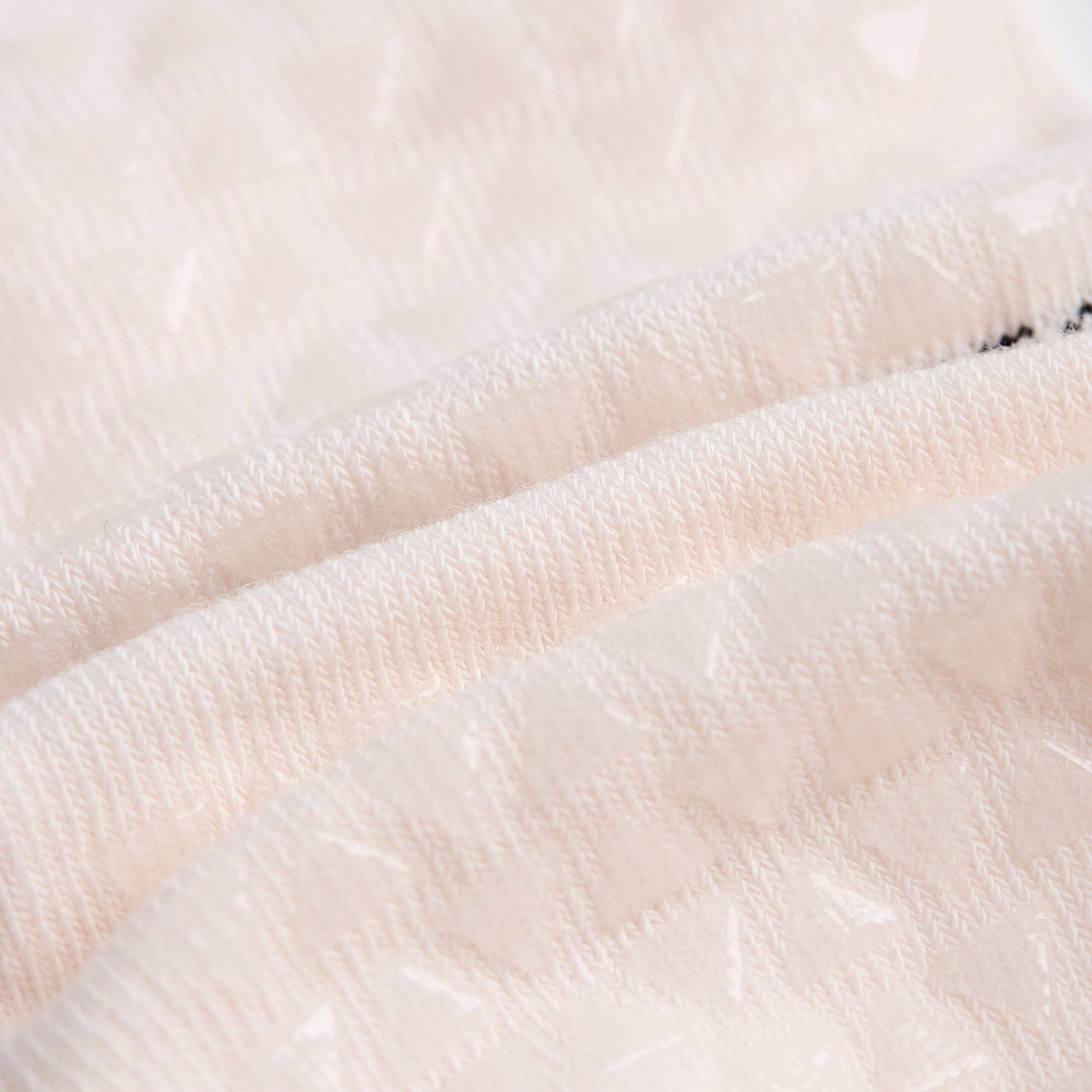
Toe socks suit people who want more foot awareness, those recovering from foot issues under guidance, and experienced practitioners who want finer feedback. They also suit anyone who simply likes the feel. If you have long toes, sensitive toes or a wide forefoot, check the sizing carefully. SHINEXUS toe styles come in ankle-toe and yoga-toe designs; browse the grip sock collections to see the range.
Fit and comfort tips
Seat each toe fully into its pocket before class, and adjust the heel pocket so it stays centred. Toe socks should not cut between the toes or force them together. Use the size guide and our fit advice on how grip socks should fit. Wash them inside out, cold, and air dry to preserve the grip pattern; see the care guidance on the care guide.
At a glance
| Factor | Toe grip socks | Traditional grip socks |
|---|---|---|
| Toe design | Each toe separated | Single toe box |
| Feedback | High, detailed foot awareness | General, familiar feel |
| Balance work | Useful for articulation | Comfortable and simple |
| Ease of use | Needs a moment to seat toes | Quick to put on |
| Best for | Yoga, barre, experienced practice | Beginners, reformer basics |
Explore SHINEXUS grip socks to compare toe and traditional styles, and check the FAQs for sizing and delivery questions.
How toe separation affects foot health habits
Toe socks encourage small, deliberate movements: spreading the toes, pressing each digit, and noticing imbalances between the inside and outside of the foot. This feedback can make ordinary foot exercises more useful. They are not a medical treatment, and anyone with an existing foot condition should follow professional guidance, but as a learning tool they help many people become more aware of how they stand and step. People who spend long hours in narrow shoes often notice this awareness most. If you want to compare styles, our piece on toe vs traditional grip socks breaks down the feel.
Toe socks for barre and hot yoga trends
Barre studios frequently favour toe socks because they show the foot line and support small, repeated pulses. Hot yoga practitioners also enjoy them, though they choose quick-drying fabrics and wash them more often. As studios add more barre and low-impact strength classes, the toe sock is moving from a niche choice to a studio staple. Pair them with fitted leggings and a light layer, and rotate colours from the SHINEXUS range.
Cleaning and caring for toe pockets
Toe socks need the same gentle wash as traditional pairs, but it helps to turn them inside out and smooth the toe pockets so each digit is free of debris. Shake them out before washing, and do not bunch them in the machine; a laundry bag prevents the pockets from snagging. After washing, pull each toe pocket gently back into shape while the sock is damp, then air dry flat. Avoid fabric softener, because it coats the silicone and dulls the grip. With this routine, the pockets keep their shape and the dots stay grippy. For more detail, read the washing and care routine.
When toe socks are brand new, take a moment to seat each toe before class. Rushing the first wear often leaves one digit bunched, which feels uncomfortable mid-pose. Once the socks are broken in, they settle into a natural shape that lasts through many washes. If a toe pocket starts to wear thin, retire the pair and choose a fresh style from the collections.
Toe socks as a learning tool, not a gimmick
It is easy to dismiss toe socks as a trend, but their purpose is practical: they make the foot audible to the nervous system. When each toe moves separately, imbalances surface early, which is exactly what good movement practice wants. Use them for slow, controlled work rather than expecting them to change a pose overnight. Pair them with a well-fitted sole and clean feet, and they become a quiet teacher. Read more in the toe vs traditional comparison and shop the range in the collections.
Frequently asked questions
Are toe grip socks uncomfortable?
They feel different at first. Once each toe is seated, most people find them natural, and the separated design improves feedback.
Can beginners wear toe grip socks?
Yes. Beginners can use toe socks from day one, though some prefer to start with a traditional style for familiarity.
Do toe socks work on a reformer?
Absolutely. The grippy sole provides the same traction; the toe separation adds foot awareness without compromising grip.
How do I wash toe grip socks?
Turn them inside out, wash cold with mild detergent and air dry. Avoid bleach and high heat to protect the silicone grip.
Final guidance
Toe grip socks are not a luxury; they are a tool for better foot awareness in yoga, Pilates and barre. Try them if you want more articulation and feedback, and pair them with correct sizing and gentle care. Shop the SHINEXUS range, use the size guide, and read the Journal for more movement guidance.
