

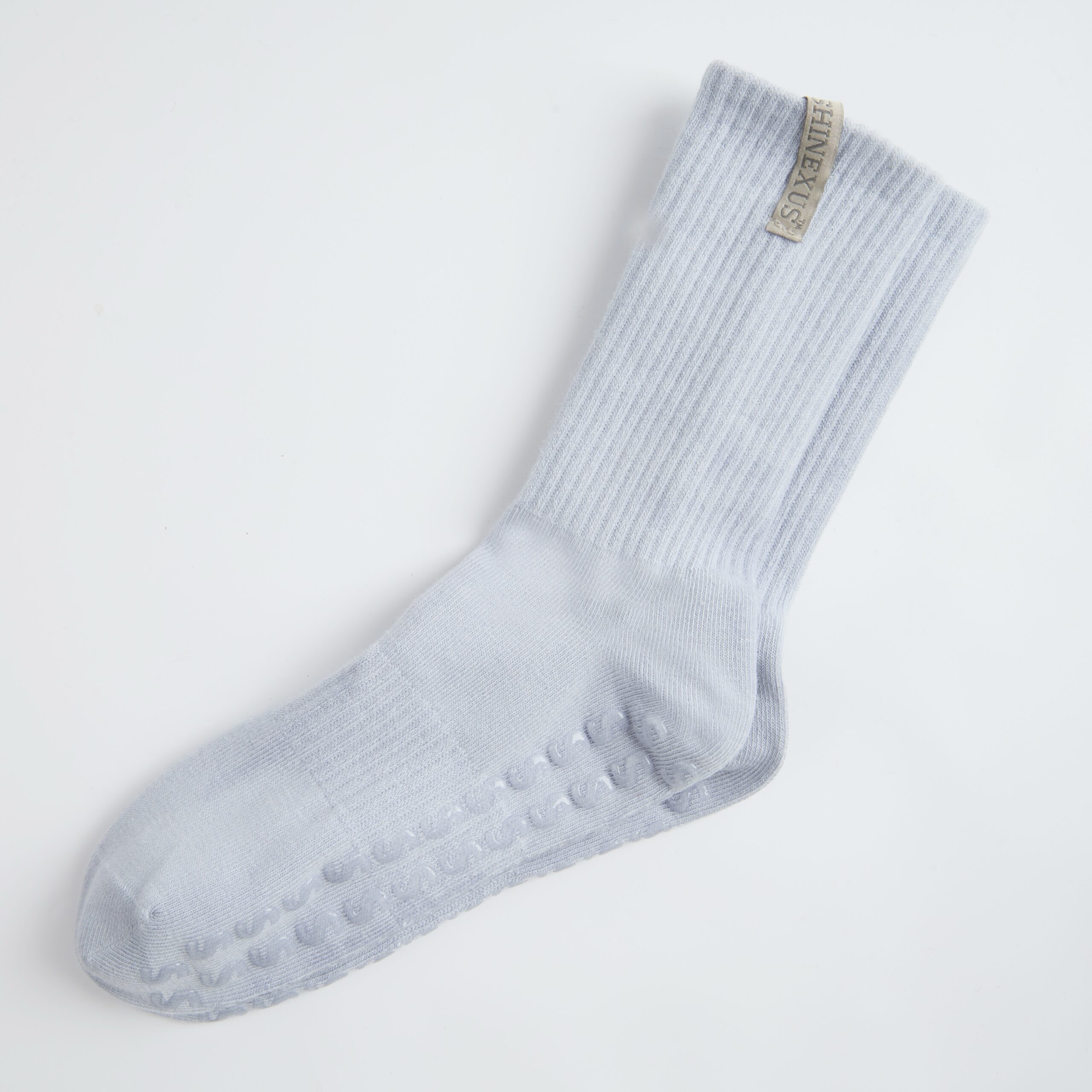
The best reformer Pilates grip socks are not necessarily the thickest pair, the stickiest-looking pair or the most expensive pair. They are the socks that fit your foot closely, remain comfortable for the whole class, comply with your studio policy and maintain dependable sole contact after repeated washing. UK clients also need to consider delivery timing, seasonal studio temperatures and whether a pair will work across reformer, tower, barre and mat sessions. This buyer guide turns those variables into a clear decision process.
Start with the studio policy
Before comparing colours or silhouettes, check what your studio requires. Some venues accept bare feet for mat sessions but require grip socks on reformers. Others request closed-toe styles for hygiene, while some happily allow individual toe socks. Policies can reflect insurance, cleaning routines, equipment type and instructor preference. A technically excellent sock is the wrong purchase if it cannot be worn in your booked class.
Ask the studio whether a specific grip distribution or sock height is recommended. New clients can also read the SHINEXUS FAQs and the practical studio information to understand how purpose-built socks fit into a professional movement environment.
Measure before choosing a size
Grip cannot compensate for a sock that twists. Measure the foot according to the brand instructions, preferably later in the day when feet may be slightly fuller. Compare the longer foot with the published range. If you use orthotics outside class or have significant swelling, ask a qualified health professional or instructor about suitable participation; do not simply size down in search of a tighter feeling.
A good fit keeps the heel in its pocket and the sole pattern beneath the load-bearing areas. The cuff should stay in place without digging in. Consult the grip sock size guide, then compare ankle and crew shapes in the SHINEXUS collections.
Assess grip placement, not grip theatre
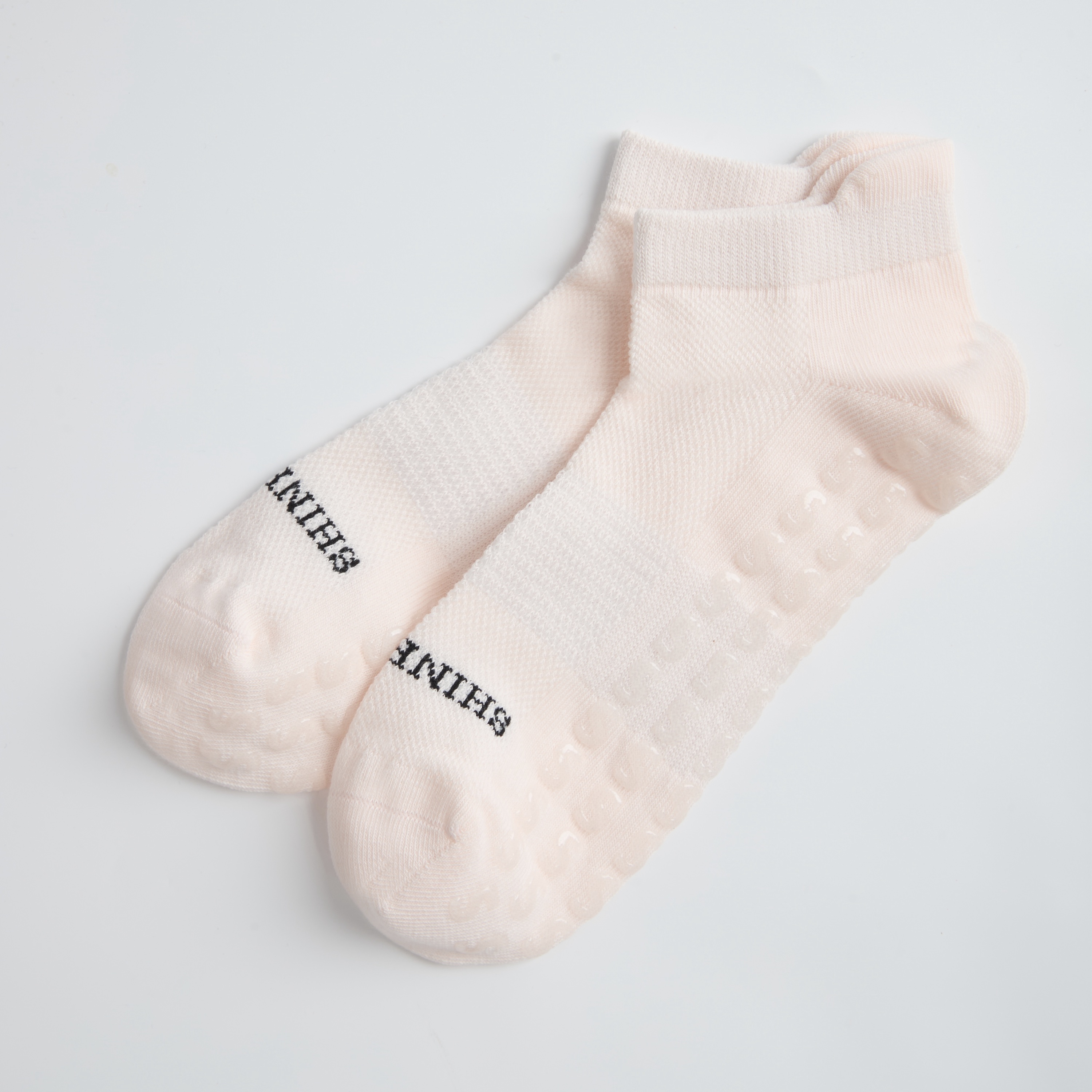
Large glossy dots can look impressive online, but coverage and flexibility matter more than visual drama. The pattern should support common contact areas without turning the sole into a rigid plate. It should flex as the toes spread and the arch changes shape. Grip material also needs a clean, dry surface; lotion, floor dust and fabric softener can reduce contact even when the pattern is intact.
Look at product images from several angles and read care instructions before purchase. The SHINEXUS design approach explains why considered construction and fit must work together rather than treating the sole pattern as an isolated feature.
Choose a silhouette for your preferences
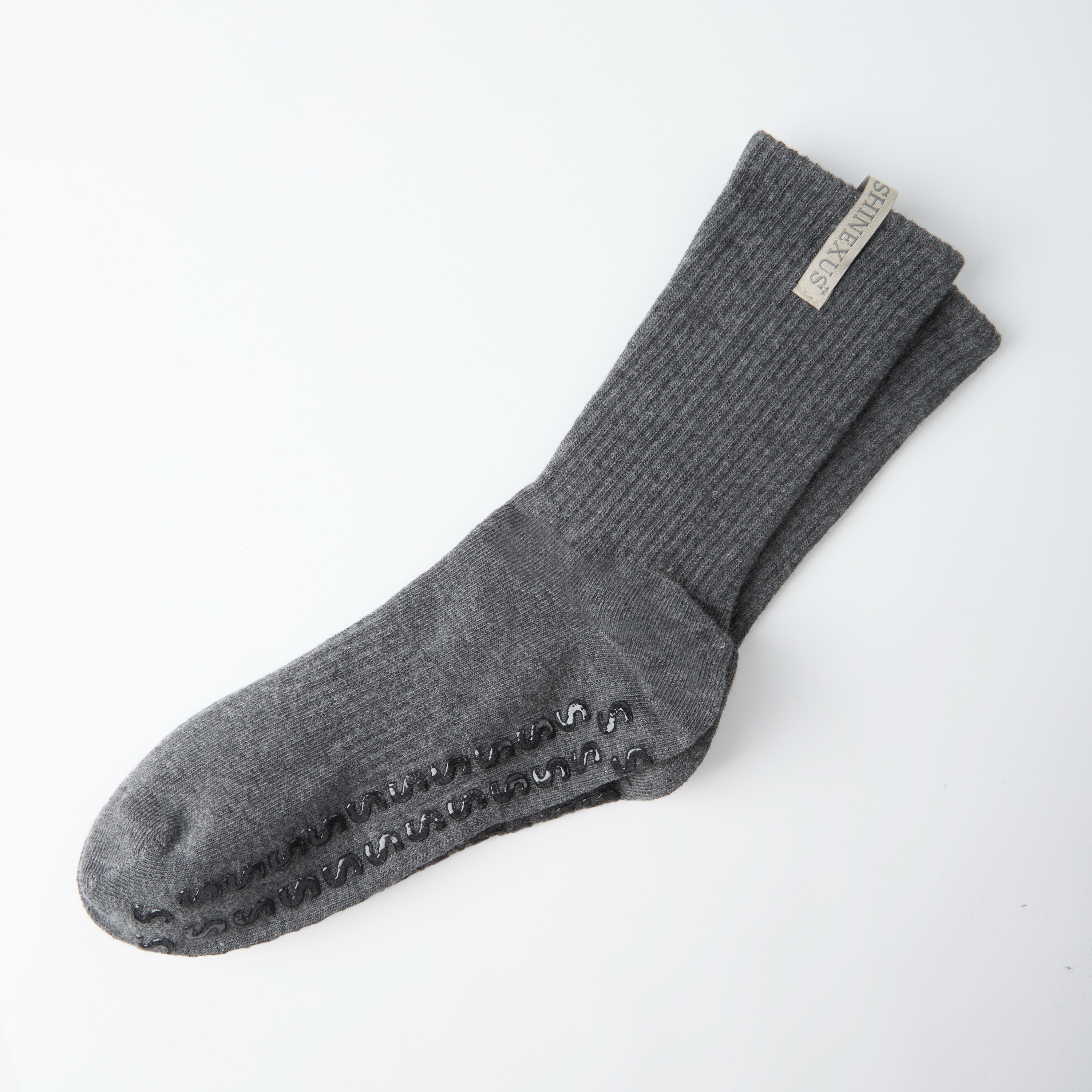
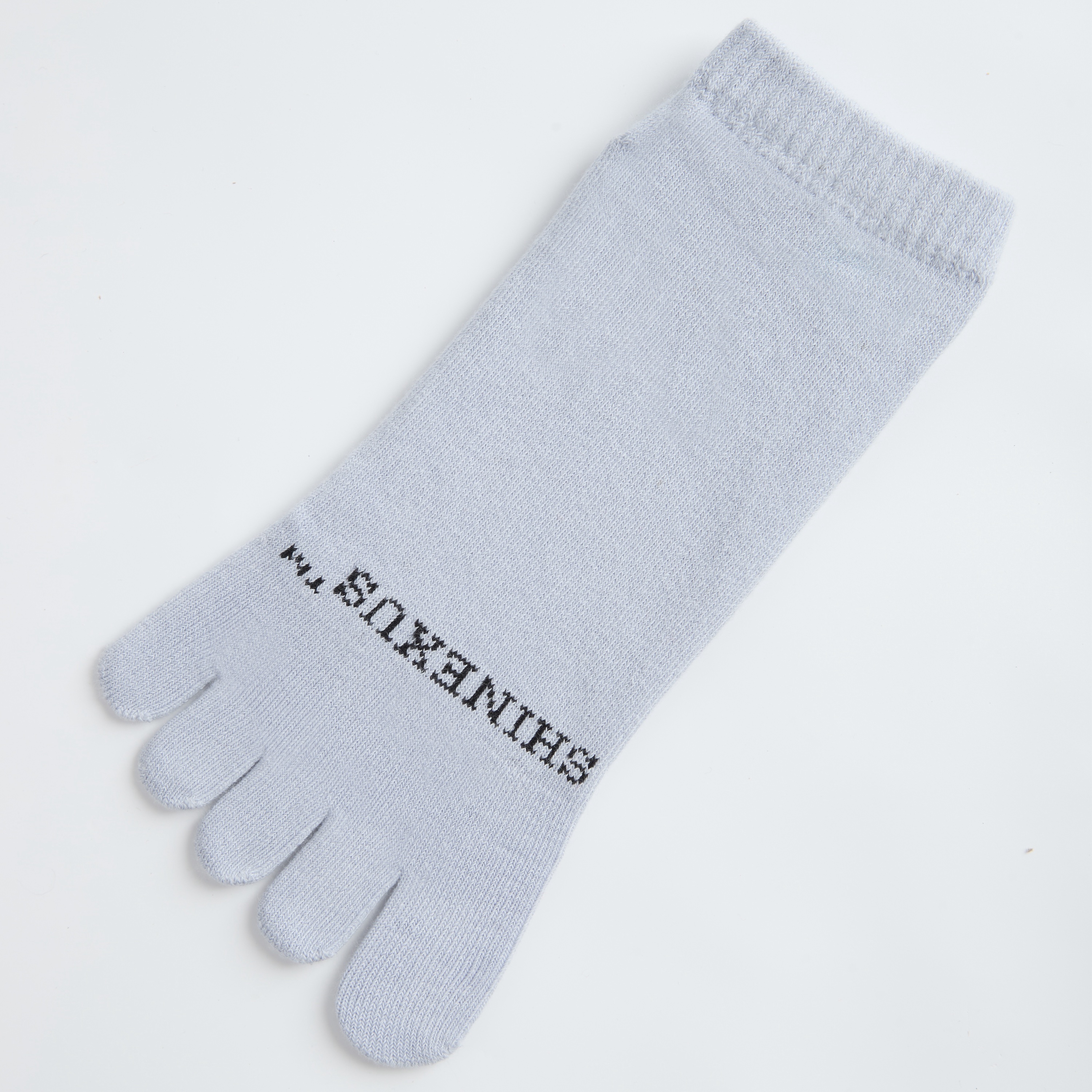
Ankle socks feel minimal and work well for clients who prefer less lower-leg coverage. Crew socks can feel reassuring around the ankle and offer more warmth in cooler studios. Toe socks separate the digits and may appeal to people who value individual toe articulation, although the sensation takes time to get used to. No silhouette is universally superior; the best choice is the one that remains correctly positioned and comfortable.
If you are unsure, begin with a conventional ankle or crew design and add a toe pair later. Explore the full reformer grip sock range, including the Crew Grip Sock in Graphite Grey and Ankle Grip Sock in Oat Milk.
Consider fabric, seams and studio climate
A reformer class can move between slow control and demanding sequences, so moisture management and internal comfort matter. Examine the fibre information, the position of seams and the recovery of the cuff. A sock that feels fine for two minutes may irritate after fifty minutes if a seam sits beneath pressure or the fabric becomes saturated. Breathability should be balanced with sufficient structure to prevent movement around the foot.
UK studios vary from warm boutique rooms to cooler community spaces. Rather than buying one extreme design, many frequent clients keep an ankle and crew option. Rotate pairs so each can dry fully. Use the care guide to protect elasticity and traction.
Value includes durability and support
A low price is not good value if the sock loses shape quickly, and a premium price is not proof of longevity. Check whether sizing, care and customer support are easy to understand. Review the delivery and returns information before ordering. Buy enough pairs for your actual class frequency rather than a large untested bundle; after confirming fit, build a rotation that prevents urgent high-heat washing.
For UK orders, consult the delivery page before your first class. Keep the packaging until you have checked fit under the applicable return conditions, and never wear a pair in class if you may need to return it.
Quick comparison
| Decision point | What to check | Warning sign |
|---|---|---|
| Fit | Heel centred and sole aligned | Bunching or rotation |
| Grip | Coverage at heel and forefoot | Sparse decorative patch |
| Comfort | Smooth seams and stable cuff | Pinching or persistent marks |
| Care | Clear cool-wash guidance | Dependence on high heat |
| Purchase | Transparent sizing and delivery | No product-specific information |
Frequently asked questions
What grip socks do Pilates instructors recommend?
Recommendations vary by studio and foot shape. Instructors usually prioritise close fit, suitable sole coverage, comfort and compliance with studio policy.
How many pairs should a beginner buy?
One well-fitted pair is enough to test. If you attend several weekly classes, a rotation of two or more pairs makes proper washing and drying easier.
Can the same socks be used for barre and yoga?
Often yes, provided the fit and grip pattern suit the activity and the venue permits socks. Technique and surface conditions still matter.
A practical way to apply this guidance
Use the advice as a short decision process rather than changing everything at once. First confirm the studio rule and the product care label. Next check the sock or class choice in a calm setting, using slow movements and an ordinary session rather than an artificial slip test. Record what you can actually observe: heel position, toe comfort, cuff pressure, sole alignment, moisture, ease of transition and how the item behaves after correct washing. These details are more useful than a general impression that something feels premium or secure.
Reassess after several classes because a first wear cannot show laundering response or longer-session comfort. Change one variable at a time—for example size, silhouette or wash routine—so the result is understandable. Stop if you experience pain, numbness, dizziness or another concerning symptom, and seek appropriate professional advice where health is involved. Equipment supports practice; it does not diagnose a problem, replace instruction or remove the need for controlled technique. This measured approach helps a beginner make a defensible choice and gives an experienced client a consistent way to review an existing routine.
Final guidance
Choose reformer socks in a practical order: studio policy, measured fit, sole coverage, comfort, care and delivery. Colour and style can then refine a sound decision. A well-chosen pair should disappear from your attention during class, leaving you free to concentrate on breath, alignment and controlled movement.
How this guide was prepared
This article was written for UK studio clients using practical product-care principles, common reformer class procedures and observable fit criteria. It distinguishes apparel guidance from medical advice, avoids promising that equipment can replace technique, and directs readers to product-specific sizing, care and studio policies. Information should be checked against the current class provider’s rules and the care label supplied with the product.
SHINEXUS designs grip socks for Pilates, yoga and barre. Product links are included where they help readers compare a specific silhouette, size resource or care instruction. The article was reviewed for clarity, internal consistency and usefulness to a reader making a real class or purchase decision.
