

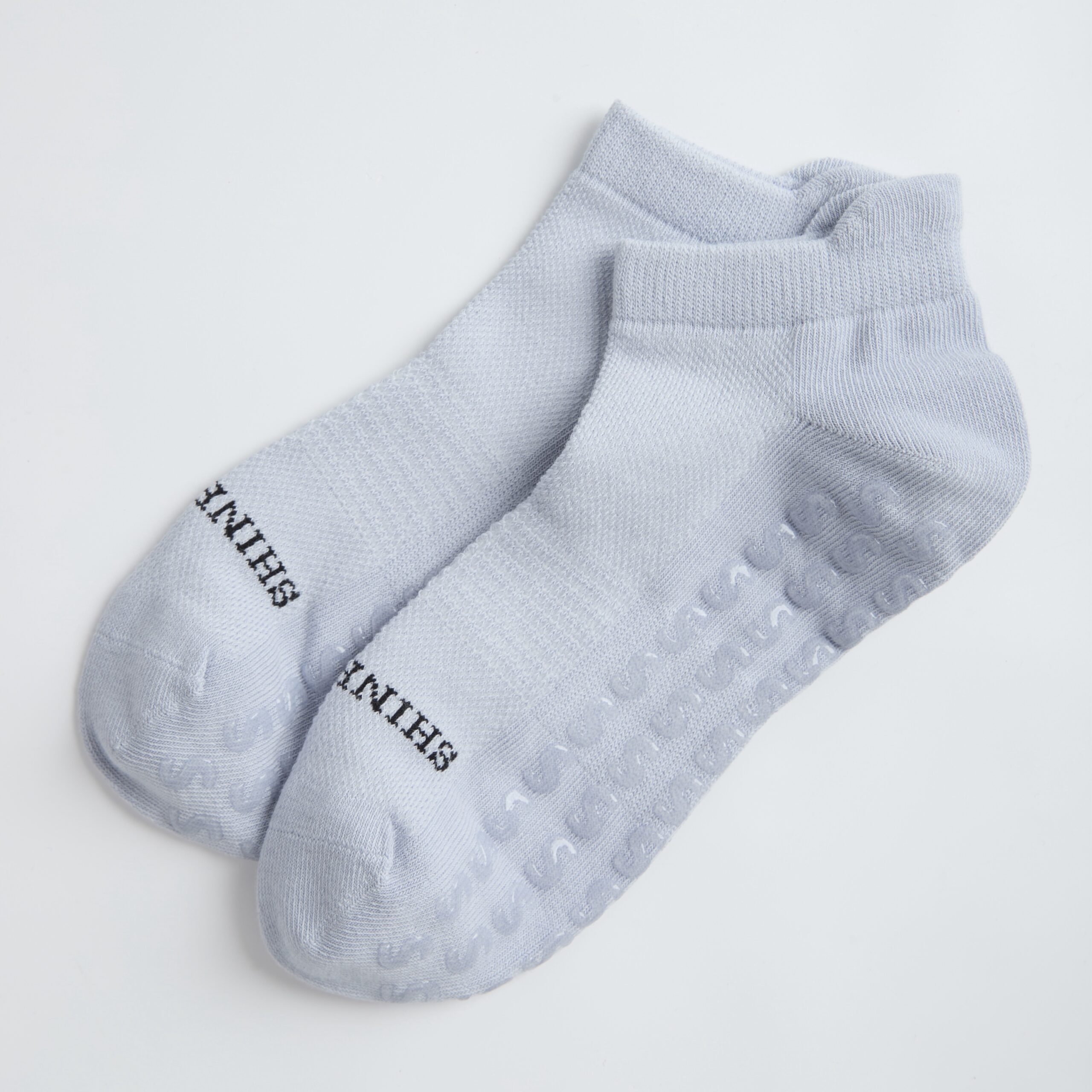
If you are preparing for your first reformer class, grip socks can feel like one more item on an unfamiliar checklist. They are not a piece of safety equipment in the same sense as the reformer itself, and they cannot replace good instruction or careful technique. However, many studios ask clients to wear them because a well-fitting pair can improve contact with the carriage and footbar, keep bare feet off shared surfaces and make transitions feel more composed. This guide explains where grip socks genuinely help, where marketing claims should be treated cautiously and how to choose a pair that works with your feet rather than against them.
The short answer: check your studio policy
There is no single rule followed by every Pilates studio. Some allow bare feet, some recommend socks and others make grip socks compulsory for every reformer session. The studio policy should be your starting point because it reflects the equipment, cleaning routine, insurance approach and class format used in that space. If the booking email is unclear, contact the studio before arriving or pack a pair so that you have the option.
When socks are required, ordinary smooth socks are rarely a useful substitute. They can slide inside the shoe-free training environment and may bunch beneath the arch. Purpose-designed socks add patterned silicone or rubber contact points under the sole and are cut to fit closely. You can compare current shapes in the grip sock collections and use the size guide before ordering.
How grip socks can support traction and control
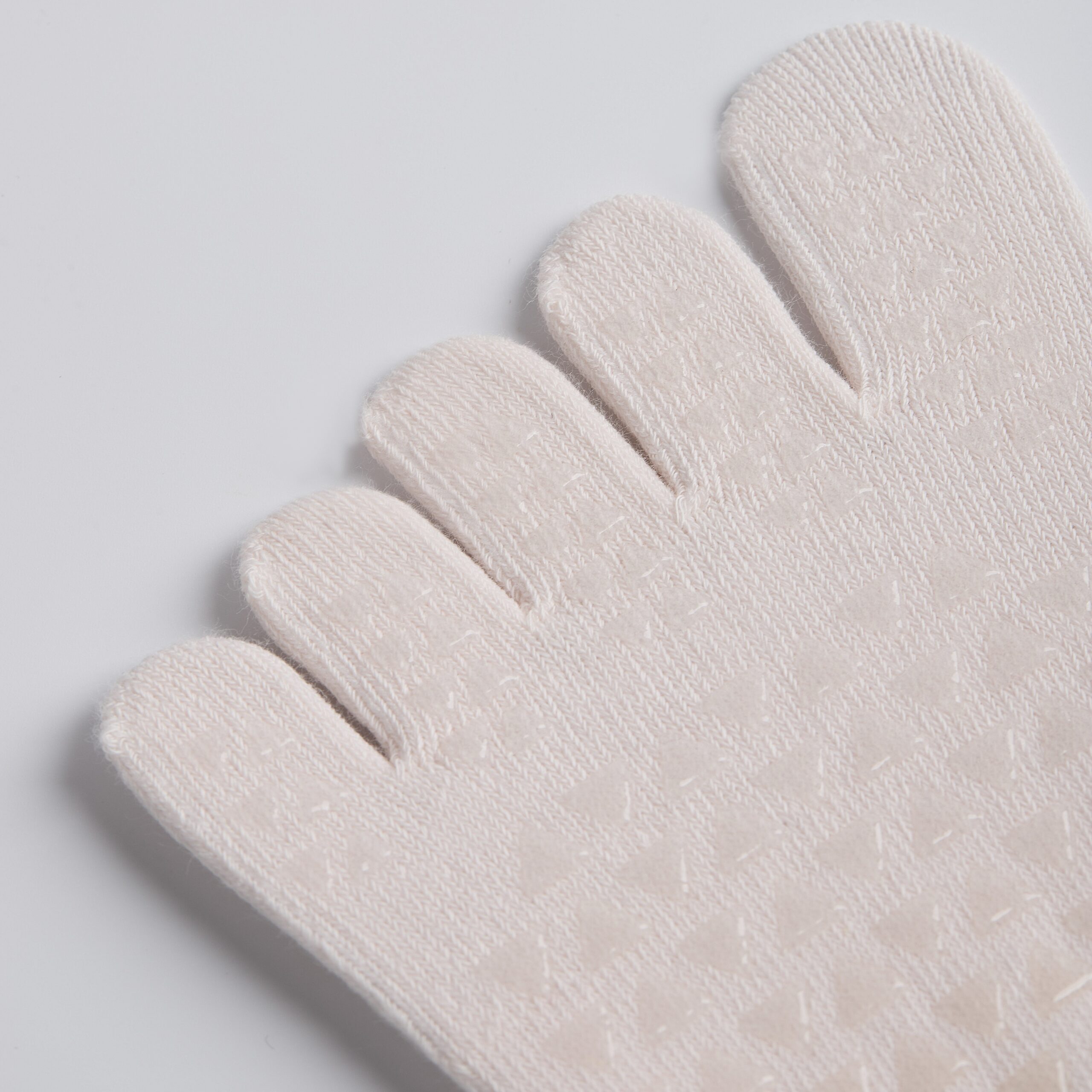
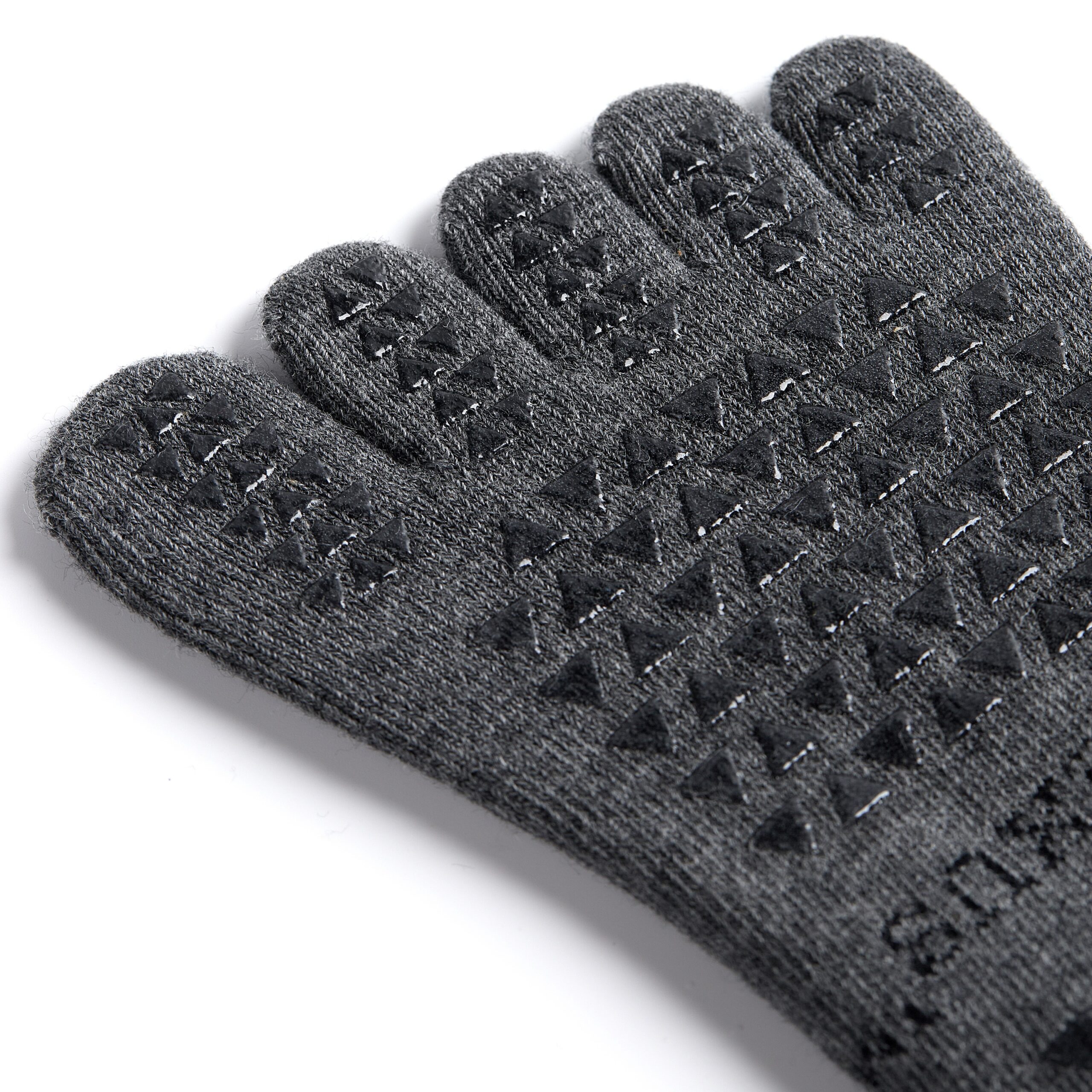
Reformer Pilates involves controlled pressure through the feet while the carriage moves. During footwork, bridging, planks and standing variations, consistent contact can help you focus on alignment instead of worrying about a sock slipping across a smooth surface. The benefit is most noticeable when the grip pattern covers the heel, forefoot and toes rather than appearing as a few decorative dots.
More grip is not always better. An extremely sticky sole can make it awkward to reposition the foot, while a loose sock may move around even if its silicone stays fixed to the equipment. The most useful combination is a secure fit, breathable fabric and balanced traction. That considered approach is part of the SHINEXUS difference, which treats fit and movement as a complete system rather than judging a sock by the sole alone.
Hygiene, comfort and shared equipment
Reformers, mats and props are shared by many clients. Reputable studios clean them regularly, and socks do not make cleaning unnecessary. They simply create a washable layer between the foot and the equipment. This can feel more comfortable for people who prefer not to train barefoot, especially in busy studios or during warmer weather.
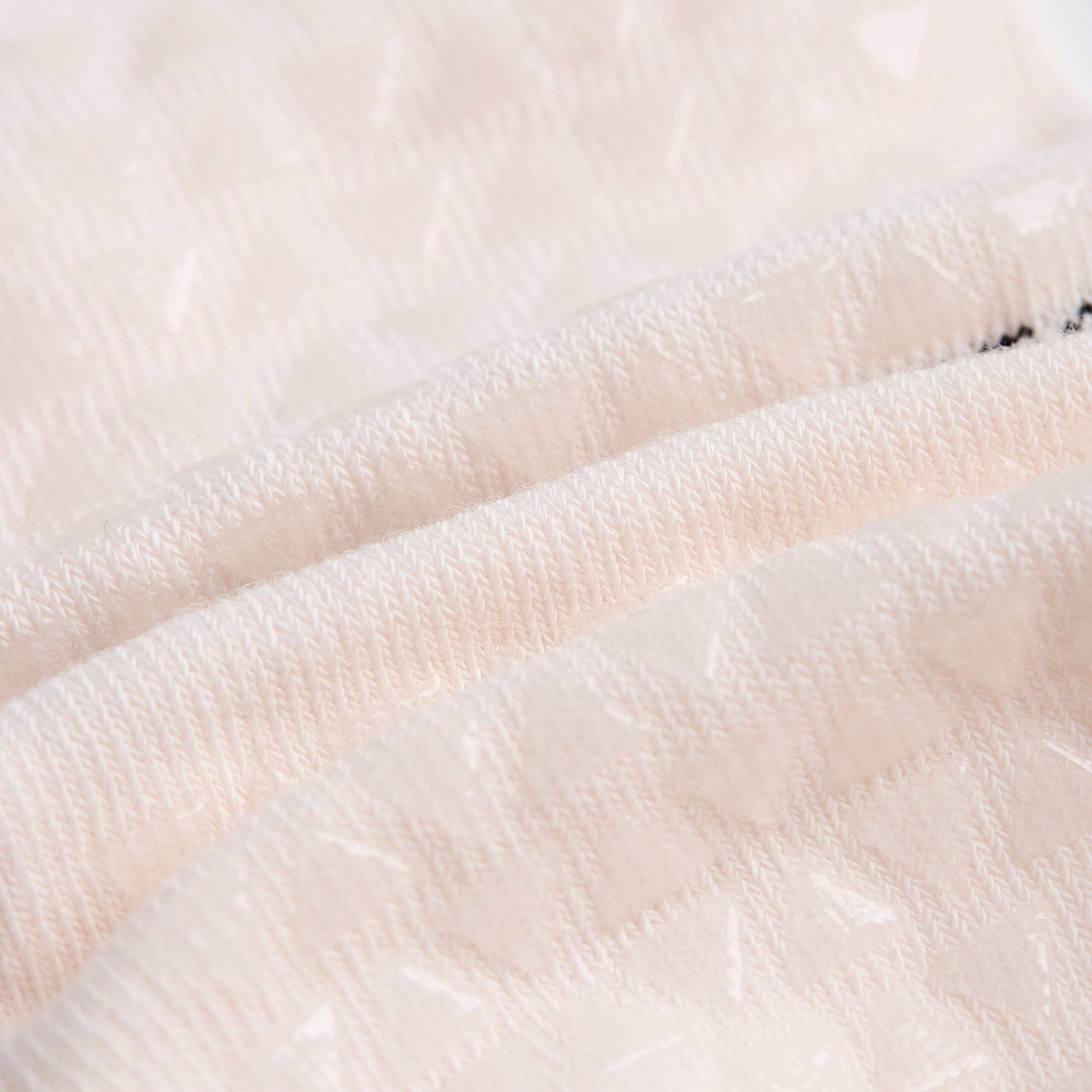
Comfort also depends on construction. Flat seams, a stable cuff and fabric that manages moisture are more important than a fashionable colour. If material twists or gathers, it can distract from small, precise movements. After class, let damp socks dry before placing them in a laundry basket and follow the care guide so that grip surfaces do not become coated with fabric softener or damaged by high heat.
What grip socks cannot do
Grip socks cannot correct technique, prevent every fall or make an advanced exercise suitable for a beginner. They should never encourage you to push through pain or ignore an instructor. The reformer still needs to be set correctly, springs must match the exercise, and transitions should be deliberate. If you feel unstable, tell the teacher and ask for a modification.
It is also possible to feel less secure in a badly fitting pair. Too much fabric can rotate under the foot, an over-tight cuff can feel restrictive, and worn grip can provide patchy traction. Treat socks as one supportive detail within a well-coached practice, not a guarantee of safety.
How to choose a first pair
Start with fit. Use your normal UK or EU shoe size as a reference, then check the brand-specific measurements. A studio sock should sit close to the heel and arch without pulling the toes or leaving spare fabric. Choose an ankle style for a familiar, versatile feel; a crew length for more coverage; or an open/toe-separated design if you value individual toe articulation.
Next, look at grip coverage, cuff stability, wash instructions and whether the colour works with the clothing you already own. The easiest route is to browse the shop all grip socks, confirm sizing, then review UK delivery information. One dependable pair is more useful than several pairs that do not fit properly.
A simple first-class checklist
Bring close-fitting stretch clothing, water, any studio booking information and clean grip socks if the venue recommends them. Arrive early enough to explain that you are new, learn how the carriage locks and ask where belongings should be stored. Remove jewellery that may catch and tie back long hair. Most importantly, listen for setup cues before every exercise.
After class, check how the socks felt. Did the heel stay in place? Could your toes relax? Was it easy to reposition without the sole skidding? Those observations will tell you more than a generic “best grip sock” list. For more beginner-friendly guidance, visit the SHINEXUS Journal or the site frequently asked questions.
Frequently asked questions
Can I wear normal socks to reformer Pilates?
Only if your studio allows them, but smooth everyday socks generally provide less traction and may move around the foot. A close-fitting purpose-designed pair is usually the more practical option.
Can I do reformer Pilates barefoot?
Some studios permit bare feet and others do not. Follow the venue policy and the instructor’s guidance. Socks do not replace equipment cleaning or good technique.
Should grip socks feel tight?
They should feel secure rather than restrictive. The heel should stay aligned, spare fabric should be minimal and your toes should not be compressed. Check the size guide if you are between sizes.
Choose support, not a shortcut
Grip socks are a small but useful part of many reformer routines. Their value comes from consistent contact, a washable barrier and a fit that lets you concentrate on movement. Check the studio rule, choose the correct size and care for the grip properly. If you are ready to build a simple studio kit, explore SHINEXUS and select the shape that feels most natural for your practice.
