

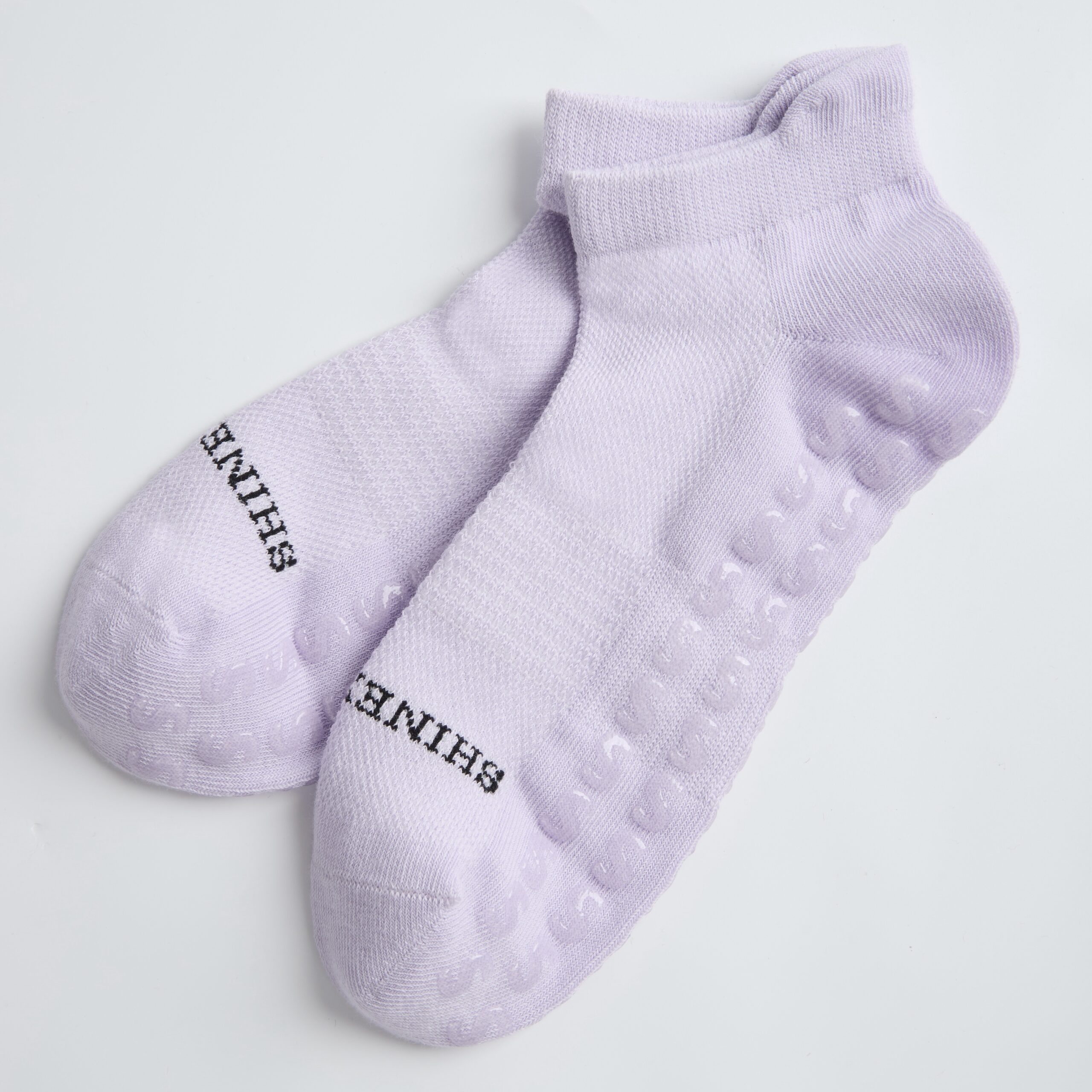
Your first reformer Pilates class does not require a completely new wardrobe. The best outfit is one that lets you bend, reach and lie down comfortably while allowing the teacher to see enough of your alignment to offer useful cues. In the UK, the journey to class may also involve cool weather, rain and a warm studio, so removable layers are often more valuable than a trend-led matching set. Use this guide to assemble a simple outfit, understand the role of grip socks and avoid the small clothing details that can distract from a new experience.
Three principles for a first-class outfit
Think stretch, security and simplicity. Stretch allows the hips, knees and shoulders to move through a comfortable range. Security means waistbands, straps and hems stay where you placed them when the carriage moves. Simplicity reduces zips, buckles and loose details that could press into your body or catch on equipment.
You do not have to wear skin-tight clothing, but very wide trousers and oversized tops can obscure foot, knee and spinal alignment. A fitted base layer with a relaxed warm-up layer works well for many people. The aim is to forget about your clothes once class begins, not to look like an experienced client on arrival.
Leggings, shorts and comfortable bottoms
Full-length or 7/8 leggings are a reliable choice because they move easily and reduce direct skin contact with the carriage. Choose a waistband that feels secure when you curl forward or lift the hips. Test the fabric at home with a squat and a forward fold; it should remain opaque and should not need constant adjustment.
Fitted cycling shorts can work in warm studios, although you may prefer longer coverage when using straps or kneeling. Joggers are acceptable if they are not excessively loose around the ankle. Whatever you choose, avoid exposed rear zips or bulky pockets that could feel uncomfortable during supine exercises.
Tops, support and weather-ready layers
A breathable T-shirt, fitted vest or long-sleeve top is sufficient. If you prefer a looser top, check that it does not fall over your face when you hinge or lift the legs. Choose the level of chest support that makes you comfortable; reformer classes are generally low impact, but movement varies by studio and teacher.
For travel, add a sweatshirt, light knit or jacket that is easy to remove. Studios can feel cool before class and warm once the work begins. A compact layer also makes the outfit practical for commuting. The brand approach described in our values favours pieces and accessories that support real movement rather than an unnecessarily complicated kit.
Why grip socks are often on the studio list
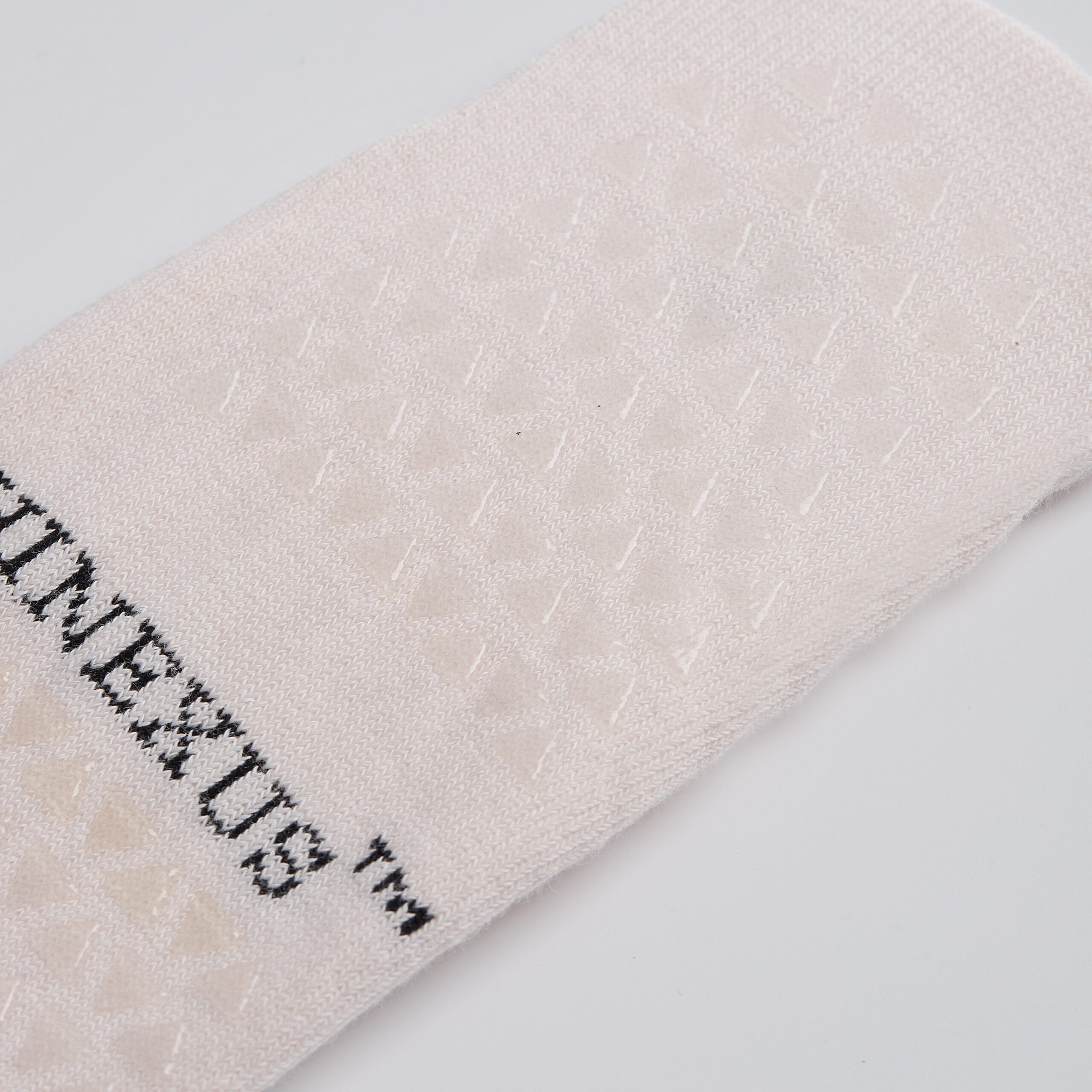
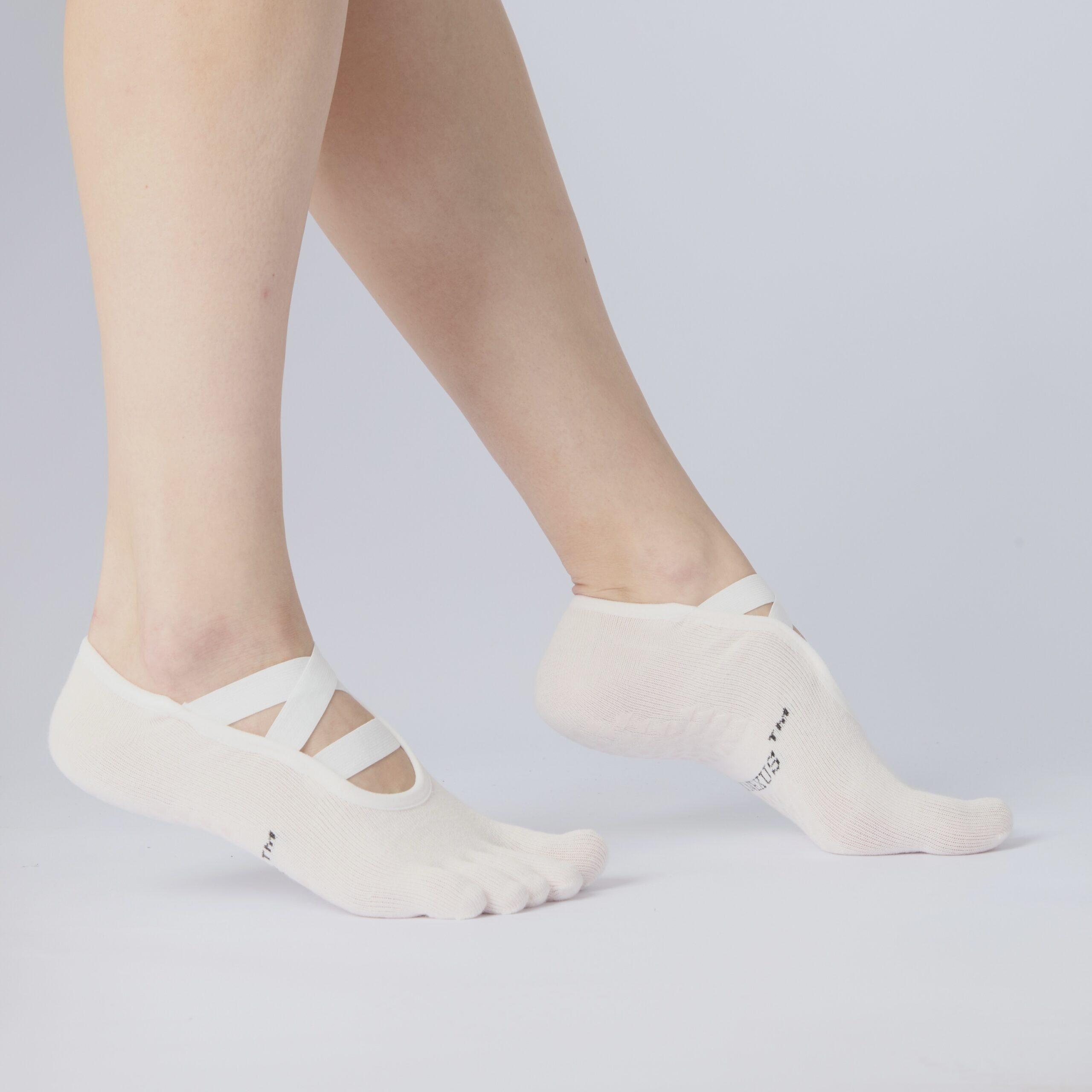
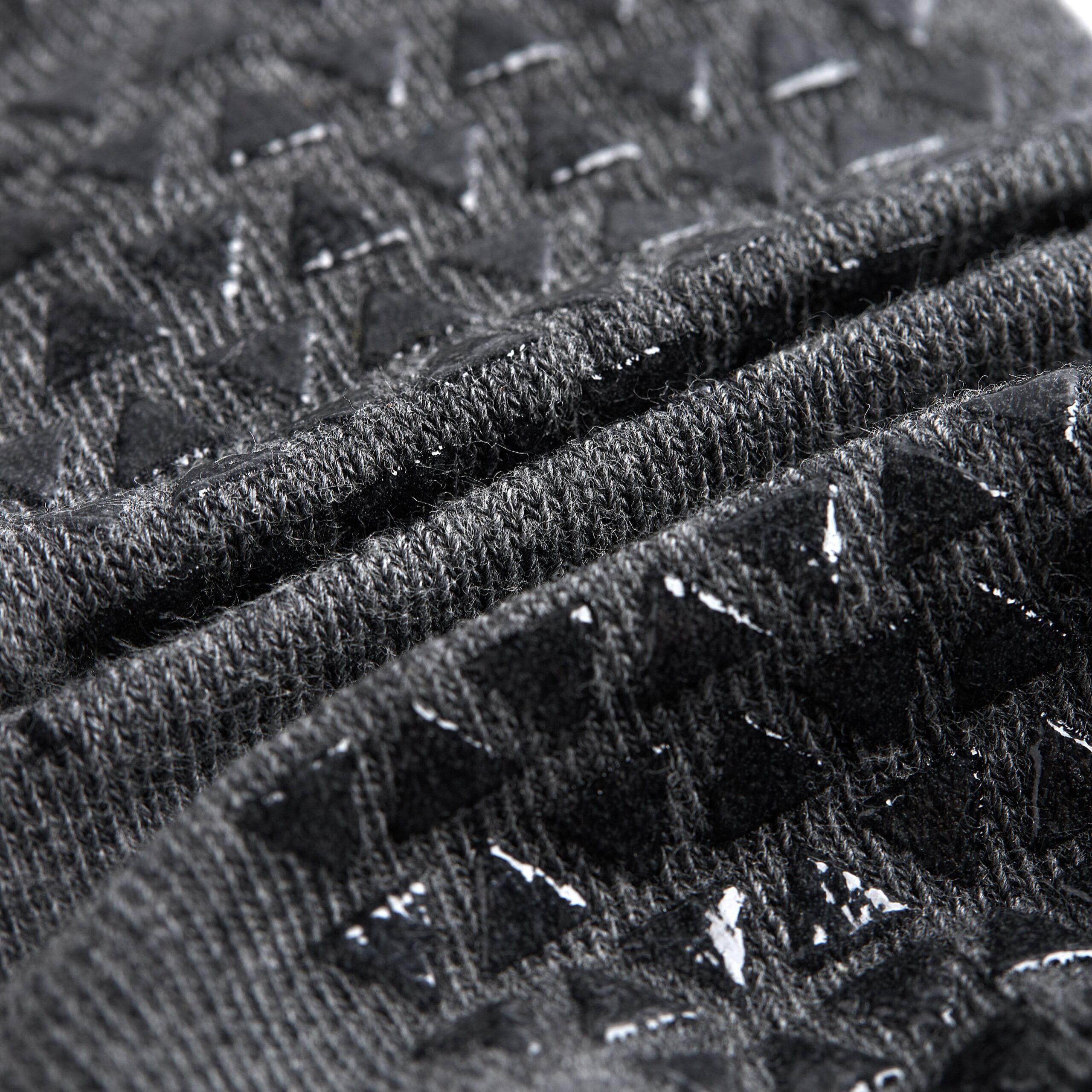
Many UK reformer studios recommend or require grip socks. The patterned sole can improve contact on smooth equipment, while the sock creates a washable barrier on shared surfaces. Check your booking confirmation because policies differ. If there is no guidance, bring a clean pair and ask the instructor.
Everyday socks may slide or bunch, so select a purpose-designed close fit. Ankle, crew and toe styles all have valid uses. Browse the grip sock collections, check the size guide and choose the silhouette you are most likely to wear consistently. Neutral colours can make a first pair easy to combine with existing activewear.
What is better left at home
Remove necklaces, dangling earrings and bracelets that could catch or press into the body. A smooth wedding band or small stud may be accepted, but follow the studio rule. Avoid strong fragrance in a shared exercise room and keep long hair secured away from moving parts.
Trainers are normally removed for reformer work, so they do not need to be performance footwear. Heavy lotions on the feet can reduce friction inside socks, and an overfilled bag can clutter a small studio. Pack lightly and use the venue storage provided.
What to put in your Pilates bag
Bring water, clean grip socks, a hair tie and any medication you normally carry. A small towel may be useful in a warm or athletic class, although many studios provide one. Keep your phone silent and arrive 10 to 15 minutes early so that the instructor can introduce the machine.
If you are buying socks before the session, allow time for dispatch and read the UK delivery information. The care guide explains how to wash them afterwards, and the frequently asked questions covers common sizing and order questions. A repeatable routine makes it easier to attend class without last-minute stress.
Frequently asked questions
Do I need to buy a matching Pilates set?
No. Comfortable leggings or fitted trousers and a secure top are enough. Prioritise freedom of movement and clothing that stays in place.
Do you wear shoes on a Pilates reformer?
Most studios ask clients to remove outdoor shoes. Classes are commonly done in grip socks or barefoot, depending on the studio policy.
Can I wear shorts to reformer Pilates?
Yes, if they allow confident movement and enough coverage for you to feel comfortable on the carriage. Fitted cycling shorts are generally easier to manage than loose running shorts.
Keep your first outfit uncomplicated
The right first-class outfit is comfortable, close enough for useful alignment cues and free from distracting hardware. Add a removable layer for the journey and a clean pair of studio-approved grip socks. You can refine your preferences after a few sessions. For a dependable starting point, see the shop all grip socks and continue learning through the SHINEXUS Journal.
How to feel comfortable once the class begins
Clothing can support confidence, but the first few minutes are mainly about learning the room. Tell the instructor that you are new, ask how the carriage is secured and wait for a clear cue before changing springs. Place your water where it cannot roll towards the equipment and use the same side of the reformer for getting on and off when directed. If a strap, waistband or sock needs adjustment, pause rather than trying to fix it during a moving exercise.
Remember that nobody expects a first-time client to understand every name or transition. Choose a position from which you can see the teacher, listen for breathing and setup instructions, and work at a range that feels controlled. The most professional-looking outfit in the room is less important than clothing that lets you communicate and move without distraction. After class, note what became warm, shifted or felt restrictive. Those observations will help you refine the next outfit using items you already own instead of buying a complete new wardrobe.
